Written in November 2023 by Judhajit Ghoshal

Genesis: Unveiling the Climate-Conflict Tapestry in West Africa
West Africa is a region that demonstrates the complicated relationship between climate change and conflict. Climate change and its negative consequences exacerbate existing social, economic, and political conflicts, resulting in an endless spiral of environmental degradation and conflict. This study aims to shed light on this interaction and argue for comprehensive solutions to the region’s multifaceted challenges.
Climate Change in West Africa: A Grim Reality
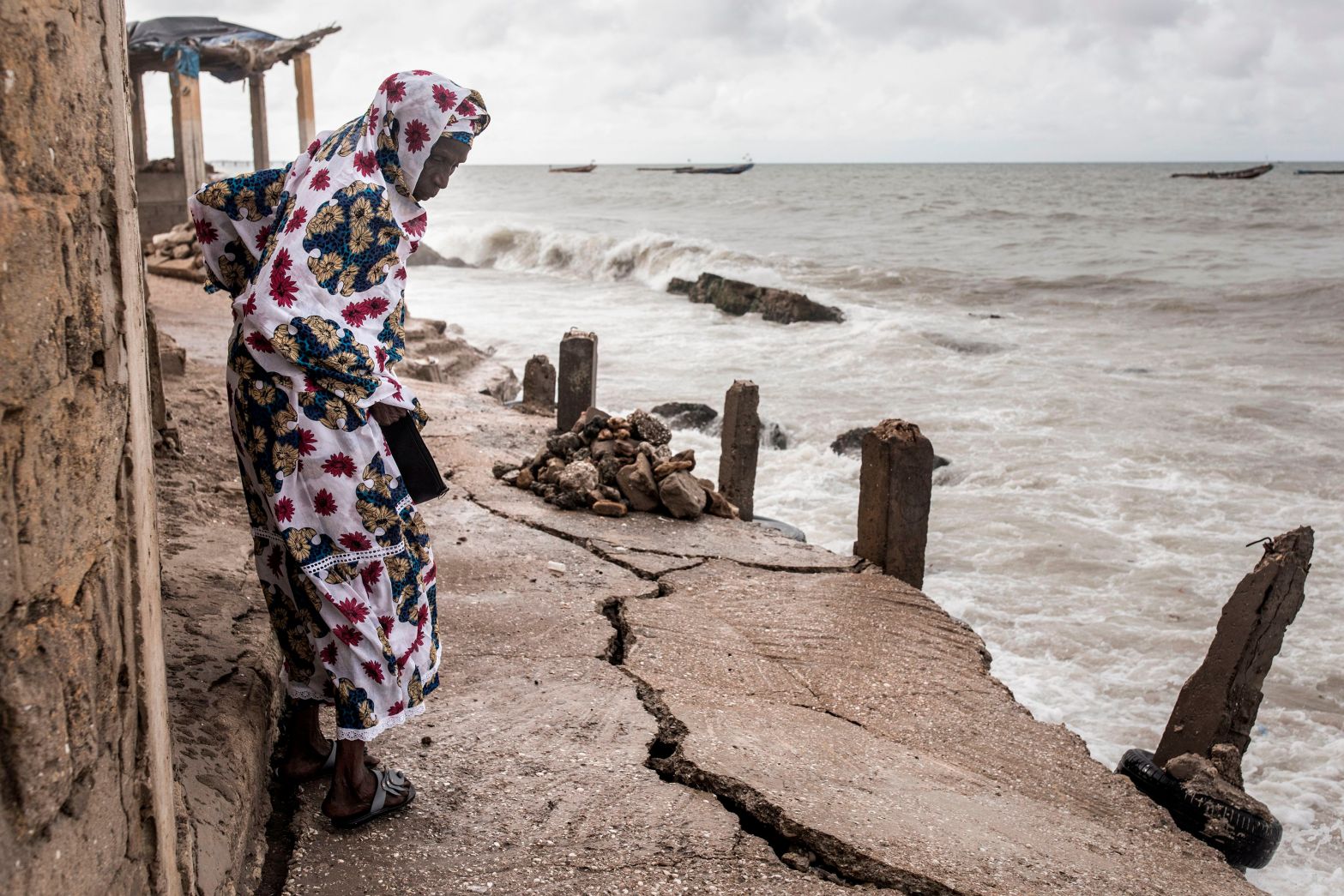
Climate change has had a significant and distinct impact on West Africa. Coastal erosion and increasing sea levels in Senegal are jeopardising fishing communities’ livelihoods and causing the loss of valuable land (Thaim, 2021). The Sahel area, known for its semi-arid conditions, is witnessing considerable desertification, placing strain on already limited natural resources (Hughes, 2019). In Burkina Faso, irregular rainfall patterns disturb agricultural periods, causing food shortages and financial fragility (Norris & M. Savoy, 2022). These environmental concerns are not separate; they are inextricably linked to the region’s social and economic fabric, influencing its resilience and adaptability.
The Entwined Spiral of Climate Change and Conflict:
Climate change and conflict in West Africa are recurrent and exacerbate each other. Environmental deterioration fuels societal conflicts, preventing adequate environmental management and adaptive solutions (Bob & Bronkhorst, 2010). For instance, rivalry for scarce resources like water and arable land occasionally results in violent confrontations. In Mali, a drop in the flow of the Niger River has worsened the perennial competition between agriculturalists and pastoralists, resulting in violent disputes (Ismaguel, 2020). These disputes worsen the environment, triggering a feedback loop that fuels the vicious cycle of violence and environmental degradation.
At the Heart of the Climate-Conflict Intersection:
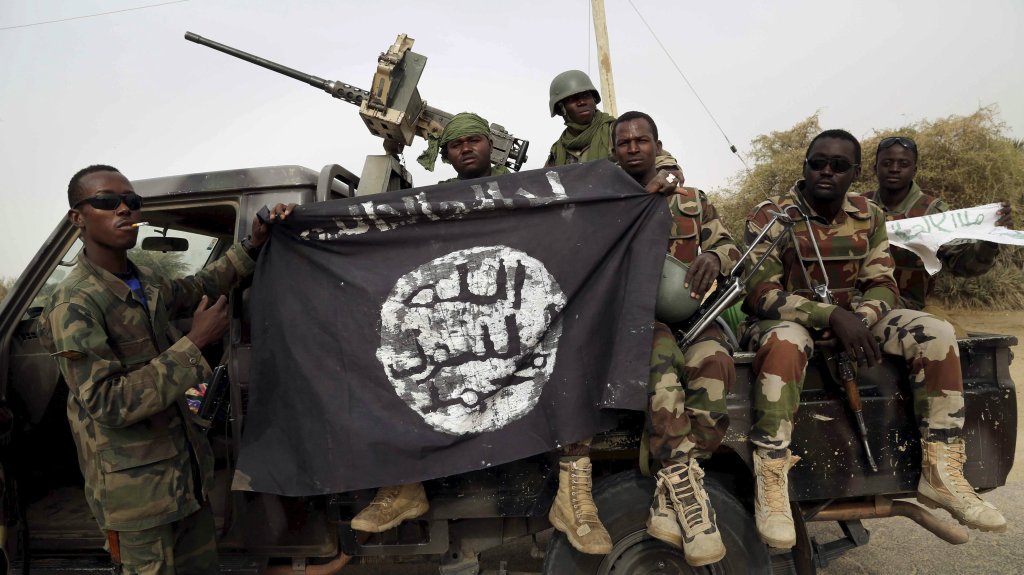
The Lake Chad Basin is a notable illustration of the climate-conflict nexus in Western Africa. The catastrophic decrease of Lake Chad, caused mostly by climate change and unsustainable water usage, has had terrible effects for the millions of people who rely on it for their livelihoods (United Nations Environment Programme, 2018). The resulting financial distress and social instability have provided ideal ground for extremist organisations such as Boko Haram, substantially destabilising the area. Similarly, in Sierra Leone and Liberia, coastal erosion and floods have escalated land disputes and inter-communal tensions, hampering post-conflict rebuilding efforts and endangering prospective peace and security (F. Freeman, 2008).
Reimagining Security: An Urgent Appeal for Action
In order to effectively address the simultaneous issues of climate change and conflict in West Africa, an evolution in security strategy is deemed necessary. Traditional security methods, which frequently rely on military and reactionary regulations, fail to address the root causes of violence and ecological harm. However, a proactive and preventative security approach that considers ecological sustainability, economic development, and social justice is required. This strategy should emphasise regional and international collaboration as well as the active engagement of regional communities in decision-making activities.
Conclusion
The complex interplay between climate change and conflict in West Africa highlights the importance of a comprehensive security and development strategy. Recognising the interconnection of environmental, social, and economic variables allows policymakers to devise more efficient means to minimise the effects of climate change and avoid conflict. Finally, tackling these issues is critical to securing a sustainable and peaceful tomorrow for the region and the globe.
Bibliography
Bob, U., & Bronkhorst, S. (2010). Environmental conflicts: Key issues and management implications. African Journal on Conflict Resolution, 10(2). https://doi.org/10.4314/ajcr.v10i2.63307
F. Freeman, C. (2008, March). The failures of Post-Conflict reconstruction in Sierra Leone and the. Beyond Intractability. https://www.beyondintractability.org/casestudy/freeman-failures
Hughes. (2019, June 17). The Sahel, desertification beyond drought – we are water. We Are Water. https://www.wearewater.org/en/insights/the-sahel-desertification-beyond-drought/
Ismaguel, A. A. (2020, January 29). Mali: Shrinking of Niger River threatens agriculture. Barza Wire. https://wire.farmradio.fm/farmer-stories/mali-shrinking-of-niger-river-threatens-agriculture/
Norris, A., & M. Savoy, C. (2022). Supporting water programming in the Sahel. In CSIS. CSIS.
Thiam, I. (2021). SEA LEVEL RISE IS DESTROYING COASTAL COMMUNITIES IN SENEGAL. In Climate Justice Central. Climate Justice Central. https://www.climatejusticecentral.org/posts/sea-level-rise-is-destroying-coastal-communities-in-senegal
United Nations Environment Programme. (2018, February 28). The tale of a disappearing lake. UNEP. https://www.unep.org/news-and-stories/story/tale-disappearing-lake
 Politica Carnivora