Featured

The Military Police: A Historical Investigation into the Northern Irish Security Apparatus and the Treatment of Republican Communities during the 20th Century

The Royal Ulster Constabulary acted as the Police Force in Northern Ireland for 79 years from 1922 to its dissolution in 2001. (Retrieved from: en.turkcewiki.org)

Welcome to Ireland

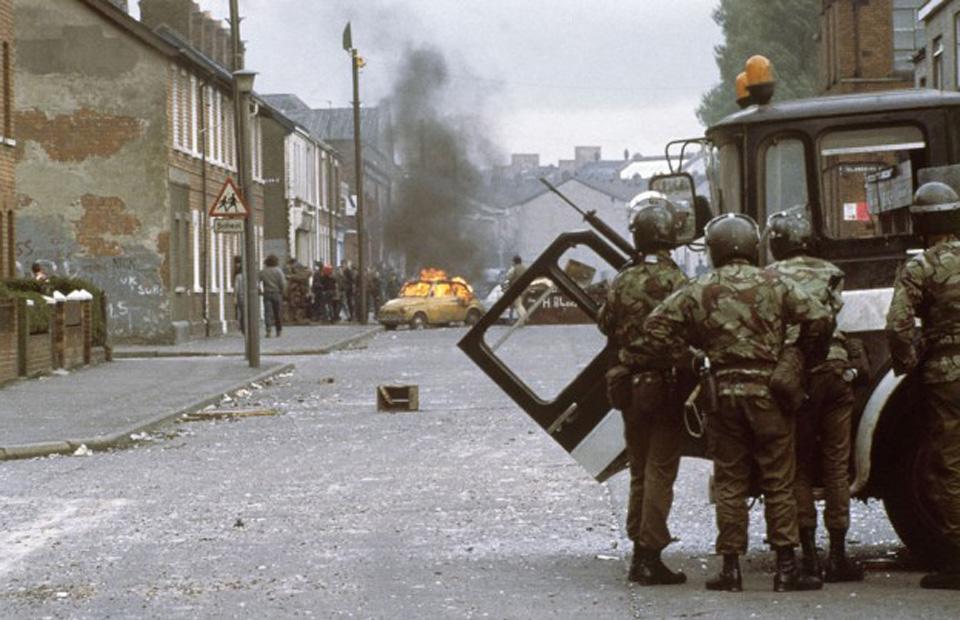
For 30 years Northern Ireland was exposed to some of the worst episodes of violence not seen since the Second World War in Europe. (Retrieved from: http://www.zerohedge.com)

For an Empire such as the British, control of its colonial populations has been a key strategic objective ever since English settlers founded Jamestown on the North American east coast in 1607. As the Empire expanded over the following centuries, it became clear that an institutionalised police force was needed in each territory to maintain social order in Britain’s favour, and crush dissent in its most threatening forms. Often these police forces engaged in long and brutal campaigns against the local population, when it was necessary to subdue their challenges to political control. Nowhere was this actuality more evident than in Ireland, which had been a practice ground for colonial policing techniques that were then exported around the Globe. This essay will evidence and argue that in Northern Ireland the British state manifested itself most often and most clearly to the civilian population as a ‘quasi-military-policeman’ post-1922, with a specific focus on the heightening of their campaign against Republican sentiment during 1968-1998 or the time known as ‘The Troubles’.

The collusion between the British State (and Army), the Royal Ulster Constabulary (RUC) and loyalist paramilitaries (Such as the UDA & UVF) will be analysed, which specifically targeted Republican individuals and the wider Catholic community at large to wage a war of overt and covert suppression of the nationalist movement, and to achieve the defeat of the Irish Republican Army (IRA). In particular the Force Research Unit (FRU), a covert military intelligence unit of the British Army will be investigated to outline the connection between the British state and Loyalist paramilitaries, who directed the latter to undertake political assassinations and bombings to destabilise Republicanism. These developments deeply wounded the Catholic community in Northern Ireland for decades, and overwhelmingly left innocent civilians vulnerable, harassed and sometimes murdered. An overwhelming amount of Catholics were marked as targets for staunch Unionists either within or without the official security system, mostly on baseless suspicions of IRA affiliation. By the peace settlement in 1998, thousands had been wrongly interfered with by the state, and many had lost their lives because of it. The Security Apparatus ceased to be the protector of liberty of all of those under its sovereignty, and acted rather as a forceful instiller of order in its own design, especially upon those it deemed ‘political criminals’.

A Contextual History of Policing in Northern Ireland
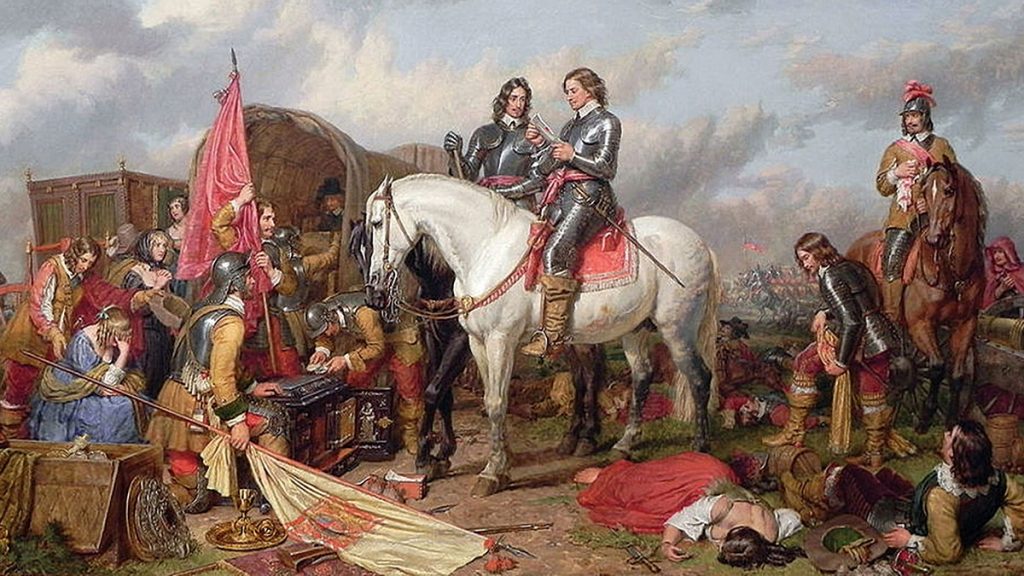
A painting taken of the Siege of Kilkenny in March 1650, the capital of the Irish Confederacy. It is estimated that during the Wars of the Three Kingdoms (1641-53) 15-50% of the native Irish population perished. (Retrieved from: http://www.kilkennyobserver.ie)

Before ‘The Troubles’, the development of Irish policing needs to be discussed to place the events of the 20th Century in the proper context. Ireland itself has been consistently invaded and subjected by the British Crown as early as 1167. As Britain developed into a global Empire from the 17th Century, Ireland remained a consistent thorn in the side of the crown, and thus Britain dedicated considerable resources to keep it under control. It was finally conquered by Cromwell during the latter part of the Irish Confederate Wars (1641-1653) in which the parliamentarians violently killed and dispossessed Irish Catholic’s under the 1652 Act of Settlement, transferring land holdings to Protestant settlers and barring them from Parliament.

By the 19th Century the British administration had created the Royal Irish Constabulary (RIC), a quasi-military police force which was regularly armed, and was manned in majority by Anglo-Protestant men; especially within the Officer Corps. The force was known for its brutality in dealing with civil unrest, from the Tithe War to the War of Independence. Indeed it got its name after the Fenian rising of 1867, becoming the first royal police force and ‘…a model for a number of police forces throughout the world.’ (Police Service of Northern Ireland). After partition in 1922 the RIC dissolved, and in the Northern Counties still controlled by the British state it re-emerged as the RUC. It was initially made up of 3,000 men, with over 50% being ex-RIC servicemen, and from 1922-1970 control of the RUC was vested in the Minister of Home Affairs, de facto a Unionist politician.

For all intents and purposes the RUC was constructed as a tool of regional control, open to the political manipulation of Westminster through Stormont. The RUC was operationally supported by its auxiliary organisation, the Ulster Special Constabulary (USC) and its own Reserves (RUCR). Since the 1920s the USC was a wholly protestant force, doing so under the threat of IRA infiltration. The USC was a highly sectarian organisation, and provided over half the recruits for the RUC before its own reformation into the Ulster Defence Regiment (UDR) in 1970 within the structure of the British Army. By the end of the Troubles, Security Force personnel numbered over 13,000 with over half of the UDR (usually a part-time force) in full-time work.

In light of the make-up and the darker past of the RIC, RUC and USC the Catholic population was overwhelmingly highly distrustful and hateful of them. After the summer riots of 1969, in which sectarian violence exploded across Northern Ireland leaving eight Catholics dead, the Scarman Tribunal convened in the aftermath and made the conclusion that Catholics viewed the USC, and by extension the wider security system, as ‘the strong arm of Protestant ascendancy’. This was to set the scene for the next 30 years of Northern Irish history, which positioned the Catholic minority in direct opposition to the RUC and it’s counterpart’s objectives to maintain British sovereignty in the North.

‘Ulsterisation’ & the Alienation of Republican Communities
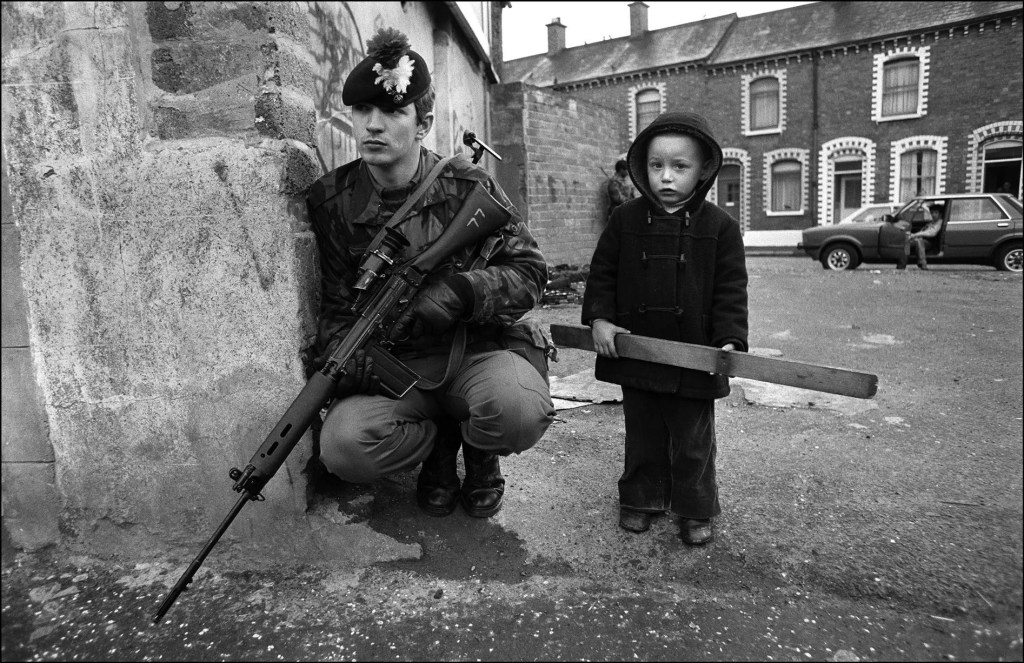
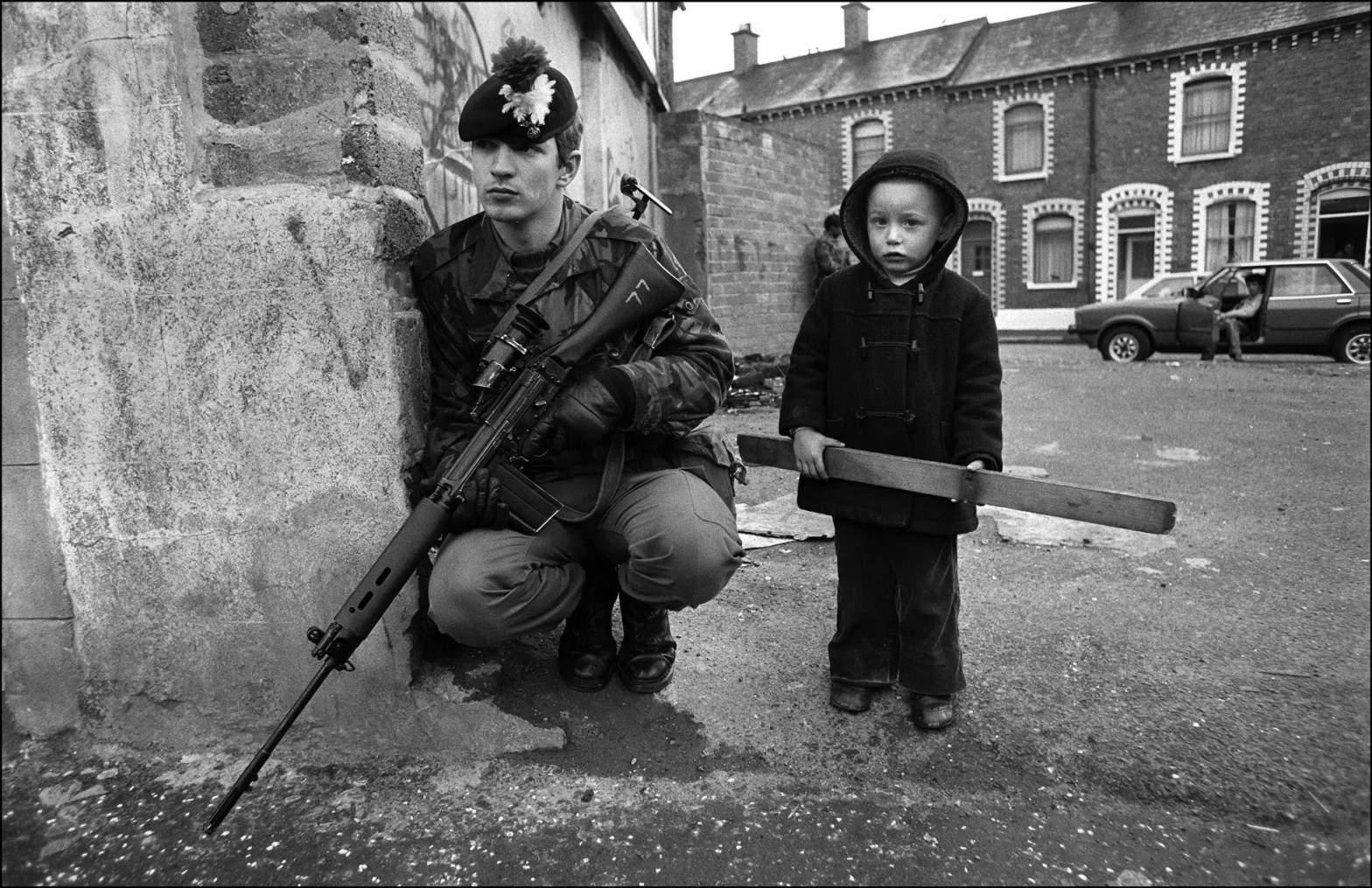
May, 1981. A British Fusilier crouches on a corner on patrol, whilst a young boy stands by seemingly imitating holding a rifle. (Retrieved from: http://www.belfastlive.co.uk)

The policing instruments of the Northern Irish state were overwhelmingly filled with members of the Protestant community, which to a large degree fuelled the tensions of segregation between Catholics and Protestants; one group entrenched within the stately apparatus and the other poorly represented, especially towards the levers of power. Yet it cannot be argued solely that just the policing institutions acted in isolation to alienate the Catholic community. The RUC and USC/UDR were nodes in a wider web of securitisation of Northern Irish society. What can be said is that a longer process of ‘Ulsterisation’ had been a de facto apparent for many decades, and in light of the heightening of sectarian violence had been catalysed in order to respond to the threat of Republican militarism. ‘Ulsterisation’ was part of British strategy to confine the conflict and portray it as “”Irish people killing and policing Irish people” by replacing British personnel with Ulster Protestants. Yet what ‘Ulsterisation’ really can portray is the consequences of this strategy; the development of a hostile environment for Catholics through policing, the judiciary, and legislation.

Catholics were unduly and almost exclusively subject to restrictive legislative Acts, dating back to 1922 when the ‘Special Powers’ Act was passed and made permanent 11 years later. This provided sweeping emergency powers to the Minster of Home Affairs from which internment, arrest, questioning, search and detention could all be liberally applied under the pretext threat of the IRAs military campaign. By 1973 these legal powers evolved into the ‘Northern Ireland Emergency Provisions Act’ after Westminster took direct control and further added non-jury trials for ‘scheduled offences’, manipulated the rules of evidence in politically-violent cases and overall aimed to diminish the political dimensions to dissipate the notion of the ’Colonial War’. This extended to the court system, wherein a wide imbalance existed between the majority of those on trial, and those who made up the juries and judiciary. The make up of the legal system largely dissuaded Catholics en masse from positively engaging with those that enforced such a domineering form of collective and targeted punishment.

Furthermore, the prison system developed for those convicted of political crimes became gleaming evidence for Catholics to display the states distain for Catholics under their duty of care. A 2010 Guardian article details the confessions of RUC interrogators at Castlereagh, an East Belfast prison, in which officers gained intelligence or confessions through a number of different torture methods such as beatings, sleep deprivation and waterboarding. This, said by the interviewee, was at times ‘sanctioned at a very high level within the force’. It is of little surprise then, that the RUC and UDR had considerable issues recruiting Catholics into their ranks. From 1961 to 1992 the percentage of Catholics in the RUC fell from 12% to 7.7% and by the late 1980s only 3% of the UDR was made up by them. Credibility through and by the end of the Troubles was highly problematic, especially after high profile cases of confirmed and alleged collusion between (ex-) members of these institutions and loyalist paramilitaries, ending the murders of Catholic civilians loosely suspected of links to the IRA or legally aiding the Republican cause.

Collusion and Death Squads
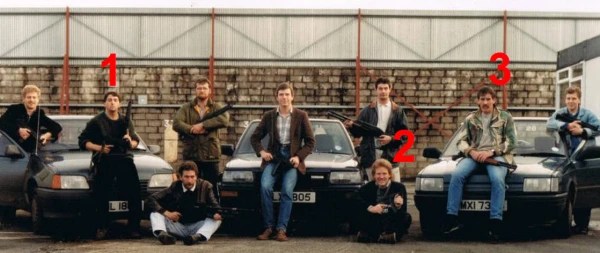
Alleged members of the Force Research Unit (FRU) pose with shotguns & rifles, a covert British intelligence taskforce, photographed in the 1980s, Northern Ireland. (Retrieved from: http://www.ansionnachfionn.ie)

The Collusion, both formal and informal that occurred by the security apparatus and loyalist paramilitary organisations was the tip of the dagger into the heart of Catholic over-policing in Northern Ireland. In the Irish context, collusion details the use of ‘counter-gangs’ or ‘death squads’ used to eliminate or terrorise state opponents, in order to destabilise dissent. On a personnel level, many senior British Army and RUC officers had considerable experience in the use of these tactics in other colonial territories prior to being deployed in Northern Ireland from 1969 onwards. One such officer was General Sir Frank Kitson, who in his memoirs details his time during the Mau Mau Rebellion in Kenya, where counter-gangs were employed to eliminate key figures in the movement. He went on to run undercover operations during the 1970s in Northern Ireland.

Lower down the chain of command, the rank and file members of the UDR often were recruited from the same areas of Belfast & Derry/Londonderry where loyalist paramilitaries such as the UDA had solid support. Until 1988 UDR soldiers had access to key security files that contained intelligence on Republican suspects, with hundreds of these files finding their way into the hands of the UDA and UVF. As well as information, weaponry of the UDR also made its way into loyalist hands; by 1976 316 weapons had been stolen from UDR armouries, with little to no resistance from those on duty. Loyalist paramilitaries were responsible for 700 deaths between 1969-89, with over 90% proven to be uninvolved civilians. Loyalists claim the majority of these murders were based on intelligence leaked from RUC, UDR or British Army records, thanks to their vertical access to the security structure and unionist connections across institutions.

Two key cases of collusion were the murders of Pat Finucane in 1989 & Rosemary Nelson in 1999. The Finucane case particularly evidenced the connection between the FRU (British covert intelligence unit) and UDA through an inside man. Brian Nelson, who confessed to being a government double agent imbedded in the UDA was tasked to make the UDA more effective in assassinations of Republican targets. Nelson through his confession, produced ‘intelligence packages’ supposedly confidential, which included key information used by UDA gunmen to kill Pat Finucane, who at the time was representing IRA suspects in court. Amnesty International, Helsinki Human Rights Watch and the UNCHR have all launched investigations into formal collusion, and after a trip in 1998, Dato Cumaraswamy (UN Special Rapporteur) found ‘prima facie evidence of such state collusion’.

Conclusion
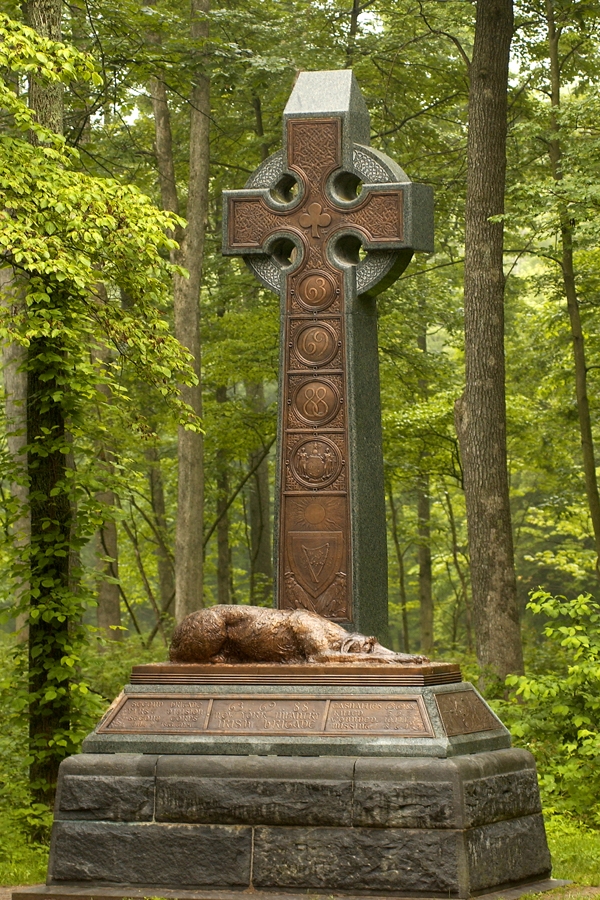
The Celtic Cross and Wolfhound, symbols of the Irish nation and it’s proud history, however dark. (Retrieved from: http://www.thinglink.com)

To this extent, it is clear there was a level of collusion that existed between the British state and Ulster-led institutions of Northern Ireland that worked in conjunction through both legal and extra-legal means to hone in on specific Republican targets and suffocate nationalist sentiment within the Catholic community at large. Both the British & Northern Irish governments intentions were set out clearly through the Troubles to achieve these goals, evidenced specifically through the toleration and potential approval of under-the-table and violent actions which moreover left legitimately legal and innocent Northern Irish Catholics unprotected and simultaneously targeted by the state through its security apparatus. Operational autonomy was key in these institutions being able and willing to carry out illegal activities to defeat the IRA. With the support of the judiciary, the RUC, UDR & the British Army a blank slate existed to work with, which they coloured with Catholic blood. The Irish government has maintained that a systematic strategy was in place, directed by the FRU whose purpose it was to carry out ‘state murder by proxy’.

Source List

McEnvoy, K. (2001). Paramilitary Imprisonment in Northern Ireland: Resistance, Management, and Release. Oxford University Press. P. 127 ISBN 9780198299073

Walker, C. (1984). “Irish Republican Prisoners – Political Detainees, Prisoners of War or Common Criminals?”. Irish Jurist. 19 (2): 197. JSTOR 44027778.

Whalen, L. (2008). Contemporary Irish Republican Prison Writing. Palgrave Macmillan. p. 57. ISBN 978-1403981936.

Police Service of Northern Ireland. A History of Policing in Ireland. https://www.psni.police.uk/about-us/our-history/history-policing-ireland

Gregory, I.N, et al (2013). Troubled Geographies: A Spatial History of Religion and Society in Ireland. 9. Northern Ireland, 1971-2001. Indiana University Press.  https://www.lancaster.ac.uk/troubledgeogs/chap9.htm

Shuttleworth, I & Lloyd, C. ‘Are Northern Ireland’s communities dividing? Evidence from geographically consistent population data 1971-2001’ Environment and Planning A, 41 (2009), pp. 213-229

Hamilton, A. et al. (1995). Policing A Divided Society: Issues and Perceptions in Northern Ireland. University of Ulster, Coleraine. ISBN 185923027.

Ellison, G. & Smyth, J. The Crowned Harp: Policing Northern Ireland

Cobain, I. (2010). Inside Castlereagh: ‘We got confessions by torture’. The Guardian. https://www.theguardian.com/uk/2010/oct/11/inside-castlereagh-confessions-torture

Fitzmaurice, M. (2020). H-Blocks prisoners “endured unacceptable levels of physical and psychological punishment”, report states. Belfast Live. https://www.belfastlive.co.uk/news/belfast-news/h-blocks-prisoners-endured-unacceptable-19026871

BIRW (British – Irish Rights Watch), (1992), Intimidation of Defence Lawyers in Northern Ireland, London: BIRW.

BIRW (British – Irish Rights Watch), (1995), Supplementary Report to the United Nations Special Rapporteur on the Independence of Judges and Lawyers, London: BIRW

Grimshaw, R & Jefferson, T. (1987), Interpreting Policework, London: Allen and Unwin.

Guelke, A. & Smyth, J. (1992), ‘The Ballot Bomb: Terrorism and the Electoral Process in Northern Ireland’, Terrorism and Political Violence, Vol 4, No 2, Summer, pp. 103-124.

Hillyard, P. (1983), ‘Law and Order’, in J. Darby (ed.), Northern Ireland: The Background to the Conflict, Belfast: Appletree Press.

Hunt Report (1969), Report on the Advisory Committee on Police in Northern Ireland, Cmnd. 535, Belfast: HMSO.

Human Rights Watch / Helsinki (1997), To Serve without Favour: Policing, Human Rights and Accountability in Northern Ireland, New York: Human Rights Watch.

Kitson, F. (1960), Gangs and Counter Gangs, London: Barrie and Rockliff.

Kitson, F. (1971), Low Intensity Operations, London: Faber and Faber.

UNCHR (United Nations Commission on Human Rights) (March 1998), Report of the Special Rapporteur on the Independence of Judges and Lawyers, Geneva: United Nations. Internet: http://www.unchr.ch?Huridocda/

Flackes, W.D & Elliott, S. (1989) Northern Ireland: A Political Directory, 1968-88. Newtownards: Blackstaff Press.

Bew, P. & Gillespie, G. (1993) Northern Ireland: A Chronology of the Troubles, 1968-93. Dublin: Gill & Macmillan.

Hadden, T & Hillyard, P. (1973) Justice in Northern Ireland: A Study in Social Confidence. London; Cobden Trust.

Darby, J. (1976) Conflict in Northern Ireland: The Development of a Polarised Community. Dublin: Gill & Macmillan.

Neumann, P.R. “The myth of Ulsterization in British security policy in Northern Ireland.” Studies in Conflict and Terrorism 26.5 (2003): 365–377
Featured

Woven in Woes: Climate Change and Conflict in West Africa

Written in November 2023 by Judhajit Ghoshal

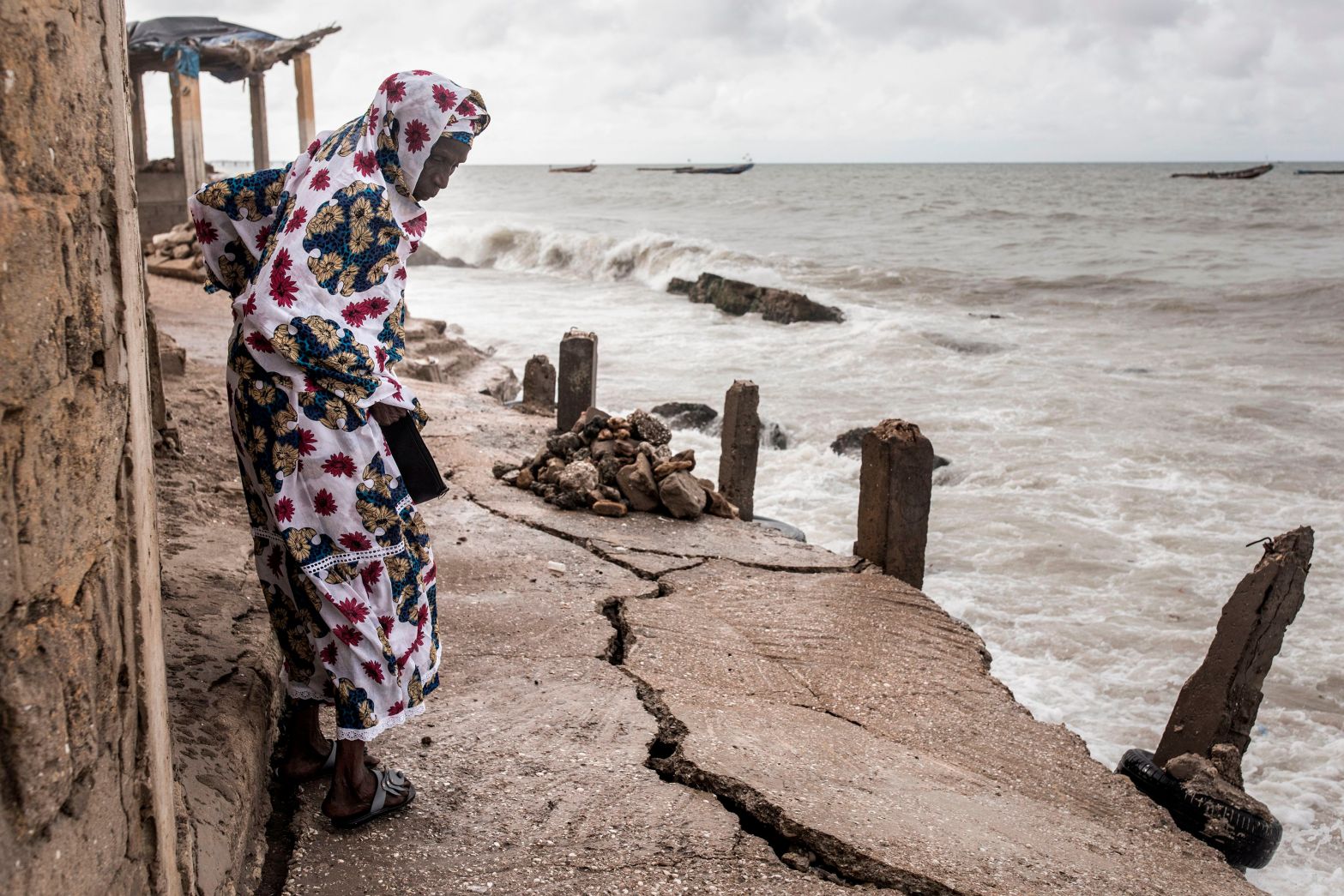
A elderly woman studies the impact of coastal erosion in the small fishing village of Bargny, Senegal in September 2020. (Sourced from Foreign Policy, VIA John Wessels; Getty Images)

Genesis: Unveiling the Climate-Conflict Tapestry in West Africa

West Africa is a region that demonstrates the complicated relationship between climate change and conflict. Climate change and its negative consequences exacerbate existing social, economic, and political conflicts, resulting in an endless spiral of environmental degradation and conflict. This study aims to shed light on this interaction and argue for comprehensive solutions to the region’s multifaceted challenges.

Climate Change in West Africa: A Grim Reality

Climate change has had a significant and distinct impact on West Africa. Coastal erosion and increasing sea levels in Senegal are jeopardising fishing communities’ livelihoods and causing the loss of valuable land (Thaim, 2021). The Sahel area, known for its semi-arid conditions, is witnessing considerable desertification, placing strain on already limited natural resources (Hughes, 2019). In Burkina Faso, irregular rainfall patterns disturb agricultural periods, causing food shortages and financial fragility (Norris & M. Savoy, 2022). These environmental concerns are not separate; they are inextricably linked to the region’s social and economic fabric, influencing its resilience and adaptability.

The Entwined Spiral of Climate Change and Conflict:

Climate change and conflict in West Africa are recurrent and exacerbate each other. Environmental deterioration fuels societal conflicts, preventing adequate environmental management and adaptive solutions (Bob & Bronkhorst, 2010). For instance, rivalry for scarce resources like water and arable land occasionally results in violent confrontations. In Mali, a drop in the flow of the Niger River has worsened the perennial competition between agriculturalists and pastoralists, resulting in violent disputes (Ismaguel, 2020). These disputes worsen the environment, triggering a feedback loop that fuels the vicious cycle of violence and environmental degradation.

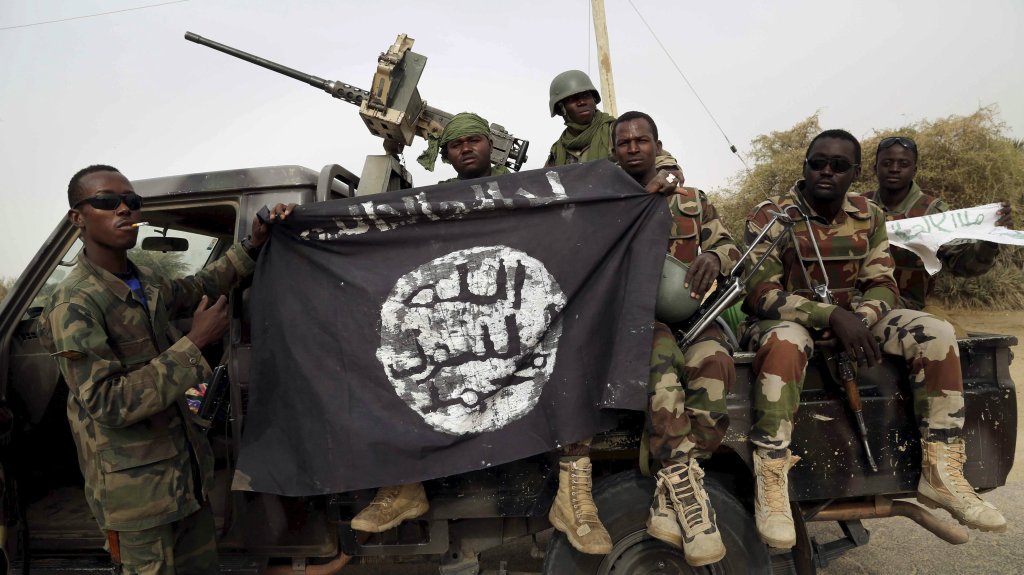
Nigerian soldiers display a captured flag of Boko Haram from the retaken town of Damasak, North-East Nigeria, March 2015. (Sourced from Reuters via Emmanuel Braun)

At the Heart of the Climate-Conflict Intersection:

The Lake Chad Basin is a notable illustration of the climate-conflict nexus in Western Africa. The catastrophic decrease of Lake Chad, caused mostly by climate change and unsustainable water usage, has had terrible effects for the millions of people who rely on it for their livelihoods (United Nations Environment Programme, 2018). The resulting financial distress and social instability have provided ideal ground for extremist organisations such as Boko Haram, substantially destabilising the area. Similarly, in Sierra Leone and Liberia, coastal erosion and floods have escalated land disputes and inter-communal tensions, hampering post-conflict rebuilding efforts and endangering prospective peace and security (F. Freeman, 2008).

Reimagining Security: An Urgent Appeal for Action

In order to effectively address the simultaneous issues of climate change and conflict in West Africa, an evolution in security strategy is deemed necessary. Traditional security methods, which frequently rely on military and reactionary regulations, fail to address the root causes of violence and ecological harm. However, a proactive and preventative security approach that considers ecological sustainability, economic development, and social justice is required. This strategy should emphasise regional and international collaboration as well as the active engagement of regional communities in decision-making activities.

Conclusion

The complex interplay between climate change and conflict in West Africa highlights the importance of a comprehensive security and development strategy. Recognising the interconnection of environmental, social, and economic variables allows policymakers to devise more efficient means to minimise the effects of climate change and avoid conflict. Finally, tackling these issues is critical to securing a sustainable and peaceful tomorrow for the region and the globe.

Bibliography


Bob, U., & Bronkhorst, S. (2010). Environmental conflicts: Key issues and management implications. African Journal on Conflict Resolution, 10(2). https://doi.org/10.4314/ajcr.v10i2.63307

F. Freeman, C. (2008, March). The failures of Post-Conflict reconstruction in Sierra Leone and the. Beyond Intractability. https://www.beyondintractability.org/casestudy/freeman-failures

Hughes. (2019, June 17). The Sahel, desertification beyond drought – we are water. We Are Water. https://www.wearewater.org/en/insights/the-sahel-desertification-beyond-drought/

Ismaguel, A. A. (2020, January 29). Mali: Shrinking of Niger River threatens agriculture. Barza Wire. https://wire.farmradio.fm/farmer-stories/mali-shrinking-of-niger-river-threatens-agriculture/

Norris, A., & M. Savoy, C. (2022). Supporting water programming in the Sahel. In CSIS. CSIS.

Thiam, I. (2021). SEA LEVEL RISE IS DESTROYING COASTAL COMMUNITIES IN SENEGAL. In Climate Justice Central. Climate Justice Central. https://www.climatejusticecentral.org/posts/sea-level-rise-is-destroying-coastal-communities-in-senegal

United Nations Environment Programme. (2018, February 28). The tale of a disappearing lake. UNEP. https://www.unep.org/news-and-stories/story/tale-disappearing-lake

Featured

Extremism in a Global Context: Does Islamic Extremism Primarily Emerge as a Reaction to External Threats?

Iraqi federal police members pose with an upside-down flag of the Islamic State group (ISIS) along a street of Abu Saif, which was recaptured from ISIS, south of Mosul, Iraq, February 22, 2017. Source: http://www.newsweek.com

Over the last several years, there has been a rising propagation of Islamist extremism globally, which poses substantial obstacles to global security and societies at large. The objective of this literature review is to critically assess the claim that Islamist extremism mostly arises as a response to external threats. This perspective delves beyond the scope of the reductive notion that extremism is only in response to foreign military and political endeavours. However, this review attempts to provide a comprehensive assessment, taking into account several elements, including ideological influences, political circumstances, economic conditions, and social dynamics. Therefore, this review aims to present an exhaustive insight into the varying dynamics of Islamist extremism by thoroughly analysing these factors.

The claim that Islamist extremism is primarily a reactive occurrence, stimulated by external threats, has garnered support among lawmakers, scholars, and media analysts. This stance suggests that activities such as foreign armed operations, governmental interference by foreign powers, or social intrusions from western nations spark extremist ideas and activities inside Islamic communities (Pettinger, 2015). Additionally, Gibbs (2005) affirms that gaining a comprehensive insight into the veracity and consequences of this claim is of utmost importance, as it significantly influences both the way the general public perceives Islamist extremism and the tactics implemented in order to combat it. Although the importance of this theme transcends
the scholarly debate, it has substantial practical consequences. The context in which we discover the roots and motives of Islamist extremism has a profound impact on counter-terrorism approaches, diplomatic relationships, and attempts to foster peace and security in impacted areas (Prinsloo, 2018). An imprecise or premature comprehension of these factors may result in inefficient or potentially destructive methods of addressing extremism.

Consequently, this literature review is motivated by a discerning statement: whilst external threats certainly play a role in the emergence of Islamist extremism, an in-depth inquiry should further include internal factors, notably ideology, political factors, socio-economic circumstances, and social issues. This review is aimed at offering a comprehensive evaluation of the claim by incorporating a range of factors. The intent is to offer a broader and more practical perspective on Islamist extremism. In addition to refuting the claim that extremism is just a reactive response, this strategy advocates a greater understanding of the intricate interactions between numerous factors.

A Foundational Background

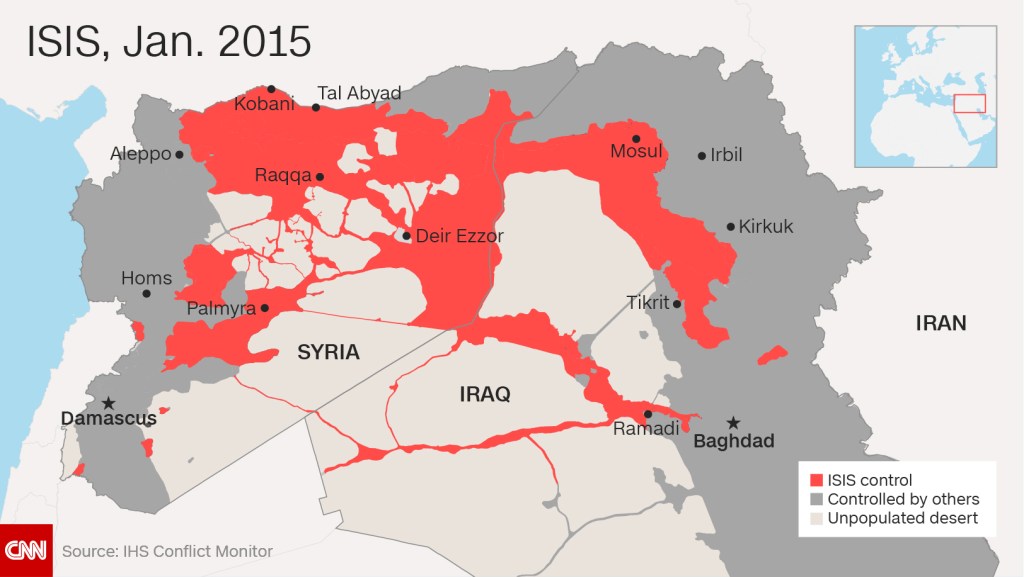
The territorial extent of ISIS across the Middle East in January 2015, arguably at the height of their influence. Source: IHS Conflict Monitor.

Islamist extremism, a concept often used in scholarly, governmental, and media debates, necessitates a precise and comprehensive definition. It often denotes an extremist ideology that centres around a certain perspective of Islam, aiming to construct a social framework governed by diligent obedience to Sharia principles, which may employ violent approaches (Rane, 2016). Moreover, Cook (2015) affirms that Islamist perceptions of extremism suggest the notion that semi-secular or secular governments are misleading because they neglect Islamic principles. This concept spans a broad range of categories, encompassing individuals attempting to impose control upon political decisions within the current structure of nations to those striving to construct totally autonomous states and caliphates.

Historically, the emergence of Islamist extremism is likely to be associated with a range of political, social, and ideological factors that transpired throughout the twentieth century (Esposito & Voll, 1996). Significant events encompass the period after the end of colonial rule, during which Islamic-majority nations underwent the process of establishing their own national identities, and the subsequent political instability and local disputes that followed (Hossain, 2015). These circumstances created a conducive environment for the emergence of extremist beliefs as reactions to what they considered the mistreatment and inadequacies of secular governing systems. In this scenario, the term external threats would refer to actions or interference by other nations that are seen as attacks upon Islamic culture and principles (Weimann, 2010). These factors involve military incursions, interference in politics, and economic measures deemed oppressive or inequitable (Nesser, 2019). An analysis of Islamist extremism as a response to external threats necessitates an examination of how extremist organisations have traditionally utilised such actions to explain their ideology and practices. This method involves meticulous differentiation among the wide range of Islamic ideologies and the particular, often politicised, perceptions that form the foundation of Islamist extremism.

The Role of External Threats

Mujahadeen Fighters photographed in May 1984, Afghanistan. (Photo by Pool BORREL-CAMPION/Gamma-Rapho via Getty Images)

The substantial influence of external threats in contributing to Islamist extremism is adequately presented through the history of foreign intrusions and foreign interferences in domestic politics (Waheed, 2014). Two particularly prominent examples are the Soviet invasion of Afghanistan from 1979 to 1989 (The Editors of Encyclopaedia Britannica, 2023) and the USA’s declared War on Terror that followed the attacks of 9/11 (Bush Foundation, 2013). Extremist organisations see these military deployments as blatant attacks on Islamic communities, which strongly incites them to mobilise and attract new members to engage in resisting them (Karacan, 2020). This is especially evident in the context of Afghanistan, in which the mujahideen’s struggle in opposition to the Soviet invasion eventually turned into a breeding ground for a number of extremist groups, such as Al-Qaeda, Maktab al-Khadamat, the Taliban and many more (Gerges, 2009; Pettinger, 2015).

Foreign nations and their political meddling have significantly contributed to the situation, particularly in the region of the Middle East (Hinnebusch, 2003). The endorsement of autocratic governments by nations in the West, which is regarded as eroding Islamic principles in favour of secularism or Western agendas, has proven to be a recurring source of debate (Nugent et al., 2018). In addition to disrupting regional political systems, this alleged intervention in nations with a plurality of Muslims feeds the notions of oppression and struggle within extremist Islamic groups. Moreover, such groups frequently interpret the dissemination of Western social and liberal ideals as a threat to Islamic values (Adamson, 2005). This belief in cultural imperialism reinforces the extremist notion that Islamic heritage and principles are being challenged by foreign powers, demanding a reactive approach.

The emergence of Islamist extremism is closely connected to these external threats, which act simultaneously as a rationale and a trigger for radicalization. Extremist organisations mobilise solidarity and legitimise their activities in the minds of their supporters by using the narrative of protecting Islam against foreign danger (Rothenberger et al., 2016). The complicated interplay between foreign interventions, involvement in domestic politics, and cultural factors underscores the challenge of comprehending the origins of Islamist extremism. This highlights the necessity for a sophisticated strategy that surpasses simplistic explanations and recognises the complex character of this phenomenon. Esposito (2015), in his scholarly literature, asserts that by promoting cultural warfare in Muslim-West relationships, Western governments have indirectly aided in the growth of jihadist organisations such as Al Qaeda and ISIL. This is a complicated and divisive topic since this stance is based on the notion that the acts and strategies of Western nations might frequently be seen as contributing to a larger social and ideological divide between the West and Islamic society, hence strengthening extremist narratives. Additionally, Pettinger (2015) states that foreign military intervention evokes a negative response in the sense of terrorism, while the nature of the intervention influences the characteristics of the ideology.

When it participates in extensive activities that threaten the sovereignty of other countries and their citizens, the United States specifically appears as an imposing and irresponsible power (Pettinger, 2015). Therefore, extensive involvement often results in the disruption of local power organisational structures, which provides an ideal setting for the emergence of terrorism through Islamic extremism. Kumar (2018) agrees with the fact that the Western critique of Salafism and terrorism perpetuates unfavourable generalisations about Islam, consequently fuelling the growth of Islamophobia, and the outcome of that has been countered by the West in the name of intervention and interference to uphold stability and peace in the region, further declining the region’s stability. This has cultivated an image that depicts Islam in a malicious manner, frequently portrayed as a manifestation of Islamic demonization (Kumar, 2018).

Ideological Factors

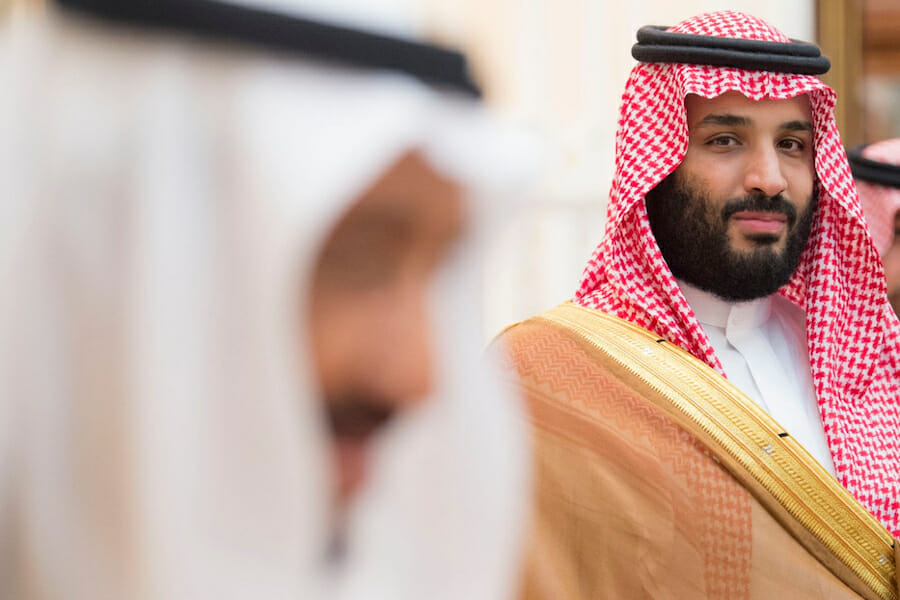
Mohammed Bin Salman, Head of the Al Saud Ruling Dynasty, and proponent of Wahhabism. Source: Saudi Press Agency

A significant aspect that often emerges irrespective of external factors is the role played by religious ideology and political perspectives in fuelling Islamist extremism (Bale, 2013). The objectives and behaviours of extremist organisations might be profoundly influenced by these ideals (Nasr, 2005). Hellmich (2008) as well as Blanc and Roy (2021) assert that ideologies involving certain violent strands of Salafism as well as Wahhabism, which promote a revival of the practices that they perceive and claim as the authentic customs of early Islam, serve as the fundamental principles of extremist organisations such as Al Qaeda, the Taliban and ISIS. These ideologies attempt to reinforce a strict and precise understanding of Islamic scriptures, often disregarding contemporary perspectives and behaviours (Pratt, 2017). The rigid adherence to a certain ideology may foster an atmosphere that promotes extremism, particularly when it is accompanied by a rejection of occidental influences and a demand for the creation of an Islamic state regulated only under the principles of Sharia (Vikør, 1998).

The substantial influence internal ideological notions exert, regardless of external factors, refutes the notion that Islamist extremism is only a response to external threats. The philosophy of ISIS, which combines militant jihadism with eschatological themes from Islamic thought, was not only a reaction to external events. As demonstrated by this internal ideological structure, ISIS’s motives were primarily separate, stemming from an urge to build a society as a whole founded on their understanding of Sharia and its principles. Their desire to go back to those ideals that they perceived to be the true and valid fundamentals of Islam, even in the face of external factors, including foreign interventions, did complicate scenarios. The situation of ISIS exemplifies the intricate nature of Islamist extremism, whereby ideology assumes a pivotal and independent role. Comprehending this facilitates elucidating that although external influences are significant, they do not serve as the only catalysts for these movements. The inherent convictions and understandings inside these factions may autonomously influence their behaviours and objectives, highlighting the necessity for a comprehensive strategy in discussing the origins of Islamist extremism carefully.

Another appropriate instance would be the Taliban in Afghanistan. The Taliban emerged from the mujahideen struggle during the Soviet invasion (Nojumi, 2002). Their core reasons were strongly influenced by the Deobandi doctrine, which is a traditional and conservative interpretation of Islam and opposes contemporary ideas (Misra, 2002). Prior to the Soviet-Afghan struggle, this ideology was already in existence, and it had a profound influence on the Taliban’s methods of governing and establishing laws and regulations (Silinsky, 2014). Their governance in Afghanistan was marked by rigorous devotion to Deobandi doctrines, influencing several aspects ranging from social initiatives to judiciary decision-making (Misra, 2002). Boko Haram in Nigeria, on the other hand, began as an extreme organisation motivated by the radical ideology of violent Salafism and jihadism after being impacted by regional socio-political difficulties (Nachande, 2017). This philosophy, which rationalised the use of force against whom it saw as a nefarious Nigerian government, became a distinguishing feature of the organisation. The evolution of Boko Haram exemplifies how regional concerns may intertwine with overarching ideological narratives, resulting in a powerful combination that drives groups closer to extremism. The transition from local issues to a more encompassing ideological clash is the foundation of Boko Haram’s expansion, illustrating the group’s commitment to an extreme perspective on Islam that rationalises its use of lethal and destructive approaches (Sani, 2021).

Political and Economic Factors

A region that never rests. Source: http://www.innewsweekly.com

It is crucial to investigate how internal political circumstances affect the propagation of Islamist extremism. The growth of Islamist extremism in several Islamic-majority nations may be attributed to the presence of authoritarian governments and social marginalisation as significant driving elements (Dalacoura, 2006). Authoritarian governance erroneously cultivates extremist beliefs in individuals through the repression of political opposition and marginalisation of communities, especially individuals with Islamist inclinations (Kaya, 2020). These governments often restrict political discourse, provoking opposition through unorthodox and perhaps extreme means (Sarkissian, 2012). For instance, the rise of extremist factions in some regions of the Middle East has been strongly associated with enduring political repression and inadequate representation, indicating a clear connection between political repression and the proliferation of extremism (Dalacoura, 2008).

Economic concerns significantly impact the growth of Islamist extremism, whereby poverty, unemployment, and inequality in wealth emerge as essential components (Zaidi, 2010). Therefore, these circumstances can potentially induce a feeling of despair and isolation, particularly among young individuals, who may also experience a sentiment of disengagement (Lynch, 2008). Extremist organisations commonly exploit these economic difficulties, positioning their own groups as a remedy that provides not only a feeling of belonging but also monetary benefits (Borum, 2011). This method has been especially efficient in areas characterised by an absence of governmental assistance and limited prospects (Suleiman & Karim, 2015). Research has shown a significant correlation between financial difficulties and vulnerability to extremist principles, indicating that economic stress might increase people’s
susceptibility to radical ideologies (Piazza, 2007). Nevertheless, it is crucial to acknowledge that while economic reasons play a substantial role, they don’t serve as the only stimulant for extremism. The intricate structure of radicalism and extremism highlights the intricacy of tackling them, since only implementing economic measures is not enough to combat the appeal of extremist organisations.

When assessing the importance of domestic, political and economic factors that fuel Islamist extremism, it is crucial to consider the impact of foreign threats, as mentioned earlier as well. The existing literature on the issue provides a dichotomous perspective: some scholars highlight the prevalence of foreign interventions, while others concentrate on the significance of domestic dynamics. Scholars like Naumkin (2014) and Pettinger (2015) argue that the only stimulant that fuels Islamic extremism is foreign intervention, which inevitably provokes adverse reactions in the form of terrorist activities, with the specific form of the intervention playing a crucial role in shaping the extremist ideology that arises as a consequence. This becomes more apparent when these interventions entail substantial undertakings that jeopardise the autonomy of other nations and their inhabitants. However, scholars including Borum (2011) and Pipes (2001) concur with Zaidi (2010) that the rise of extremism is not only attributable to external threats. They highlight that factors including poverty, misrepresentation, political suppression, and income inequality also play critical roles as catalysts for Islamic extremism.

Social Conditions and Influences

Salah al-Din Neighbourhood in Aleppo in 2015 after fierce fighting between the Government, Rebels and ISIS. Source: The Middle East Eye.

Social marginalisation and alienation significantly contribute to the growth of extremism, exerting a strong influence on people and groups that experience exclusion from society (Bull & Rane, 2018). Experiencing a feeling of being marginalised, which is often caused by characteristics such as race, religion, or economic status, makes people more vulnerable to extreme perspectives (Syed & Ali, 2020). Instances of prejudice or perceived mistreatment based on one’s identity might intensify feelings of alienation in individuals (Sadek, 2017). Consequently, a lack of societal progress might intensify the perception of being isolated or ignored, further exacerbating the perception of alienation. Extremist groups adeptly capitalise on these sentiments of marginalisation and estrangement (Khalaf & Khalaf, 2012). They provide a communal atmosphere, a space where people experience empathy and a feeling of belonging (Moghaddam, 2004). This proposition may be especially appealing for individuals who have consistently been marginalised by their own communities. Moreover, such organisations present a narrative that substantiates the issues of marginalised people, presenting their fight as a righteous mission against the injustice they have faced using violent means only.


There are many substantial effects of education and the media on the growth of Islamic extremism (Shadid & Van Koningsveld, 2002). The media and its extensive reach contribute to an instrumental influence in moulding public opinions and perspectives about Islamist extremism (Matthes, 2010). The repeated portrayal of Islamic communities in an inaccurate or stereotyped way by media sources has fostered a social climate characterised by distrust and paranoia (Smith & Akbarzadeh, 2005). Consistently witnessing poor portrayals of their identity might exacerbate feelings of being misinterpreted or demonised for these individuals. Therefore, extremist organisations often use these narratives created by the mainstream media, positioning themselves as advocates opposing social inequities and prejudice. Education nevertheless influences the fundamental outlooks and beliefs of citizens, especially young people. Restrictive or biased learning environments may restrict individuals’ access to a wide range of views, hindering their capacity to analyse and interact with varied perspectives in an analytical manner. Therefore, if educational environments or institutions promote extremist opinions or neglect to question extreme ideology, they may foster the vicious cycle of extremism and violence (Afrianty, 2009).

Conclusion

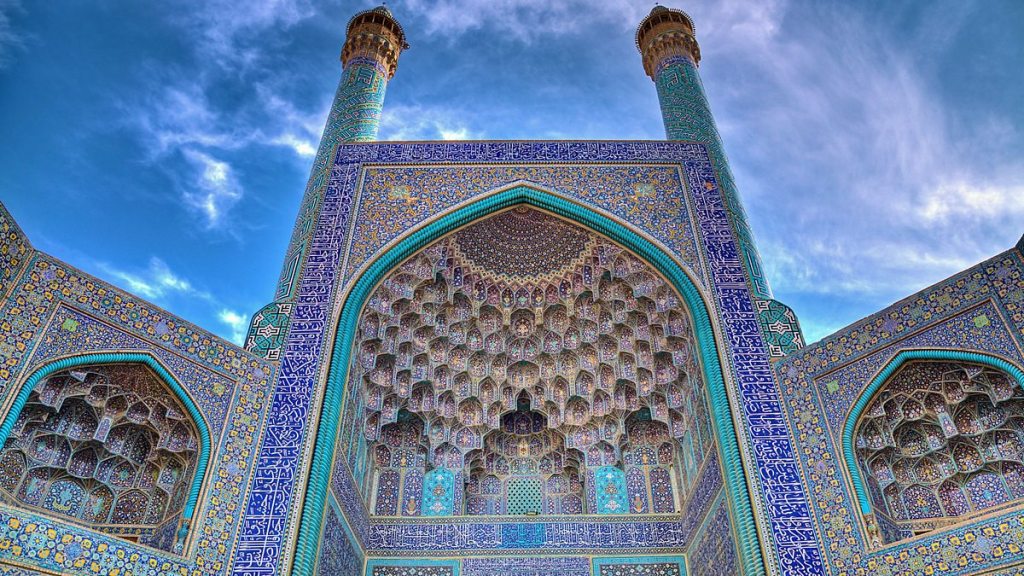
A Mosque of the Islamic Golden Age, Where is the Religions Future Headed? Source: http://www.bbc.com

Upon examining each aspect of this literature review, it becomes evident that the rise and propagation of Islamist extremism are shaped by an intricate interaction of external and internal factors. This complex causality undermines the basic theory suggesting that Islamist extremism is only a reactive response to external threats. The research demonstrates that while external influences, such as foreign military operations and political meddling, certainly have a substantial impact, they are not the only explanation for the emergence of such extremism. Internal factors, such as political repression, socio-economic inequality, ideological influence, and social estrangement, play a crucial role in the rise and spread of Islamic extremism. There are significant repercussions when it comes to policy formation and tactical interventions when Islamist extremism is framed as a reaction to external factors alone. Adopting a narrow viewpoint runs the danger of oversimplifying a multifaceted problem, which might result in ineffective and ignorant approaches. For example, a policy that primarily emphasises military intervention may neglect the crucial need to deal with underlying problems such as systematic and political exclusion, economic suffering, and educational shortcomings that lead to extremism. This thorough review emphasises the need for an integrated approach to comprehending and tackling Islamist extremism. It is essential for policymakers and future researchers to carefully analyse both external and internal factors in their decision-making and research. It is essential to implement policies that aim to promote inclusive political settings, stimulate economic development, and modernise educational institutions in areas that are susceptible to extremism. Future studies should further investigate the complex interconnections among these diverse elements. The objective of this strategy is to cultivate more efficient and enduring methods for combating extremism based on an in-depth assessment of its complex characteristics.

References

Adamson, F. B. (2005). Global Liberalism versus Political Islam: Competing Ideological frameworks in International Politics1. International Studies Review, 7(4), 547–569. https://doi.org/10.1111/j.1468-2486.2005.00532.x

Afrianty, D. (2009). Islamic education and youth extremism in Indonesia. Journal of Policing, Intelligence and Counter Terrorism, 7(2), 134–146.
https://doi.org/10.1080/18335330.2012.719095

Bale, J. M. (2013). Denying the Link between Islamist Ideology and Jihadist Terrorism: “Political Correctness” and the Undermining of Counterterrorism “Political Correctness” and the Undermining of Counterterrorism. Perspectives on Terrorism, 7(5), 5–46. https://www.jstor.org/stable/26297006

Blanc, T., & Roy, O. (2021). Salafism, challenged by radicalization?: Violence, Politics, and the Advent of Post-Salafism.


Borum, R. (2011). Radicalization into Violent Extremism II: A Review of Conceptual Models and Empirical Research A Review of Conceptual Models and Empirical Research. Journal of Strategic Security, 4(4), 37–62. https://www.jstor.org/stable/26463911


Bull, M., & Rane, H. (2018). Beyond faith: social marginalisation and the prevention of radicalisation among young Muslim Australians. Critical Studies on Terrorism, 12(2), 273–297. https://doi.org/10.1080/17539153.2018.1496781


Bush Foundation. (2013). Global War on Terror. George W. Bush Library. Retrieved December 22, 2023, from https://www.georgewbushlibrary.gov/research/topic-guides/global-war-terror


Cook, D. (2015). Understanding Jihad [eBook]. University of California Press.


Dalacoura, K. (2006). Islamist terrorism and the Middle East democratic deficit: Political exclusion, repression and the causes of extremism. Democratization, 13(3), 508–525. https://doi.org/10.1080/13510340600579516


Esposito, J. L. (2015). Islam and political violence. Religions, 6(3), 1067–1081.
https://doi.org/10.3390/rel6031067


Esposito, J. L., & Voll, J. O. (1996). Islam and democracy. Oxford University Press.
Gerges, F. A. (2009). The Far Enemy: Why Jihad Went Global (2nd ed.) [eBook]. Cambridge University Press.


Gibbs, S. R. (2005). Islam and Islamic Extremism: An Existential analysis. Journal of Humanistic Psychology, 45(2), 156–203. https://doi.org/10.1177/0022167805274728

Hellmich, C. (2008). Creating the ideology of al Qaeda: from hypocrites to Salafi-Jihadists. Studies in Conflict & Terrorism, 31(2), 111–124. https://doi.org/10.1080/10576100701812852


Hinnebusch, R. (2003). The international politics of the Middle East.
https://doi.org/10.7228/manchester/9780719053450.001.0001


Hossain, A. A. (2015). Contested National Identity and Political Crisis in Bangladesh: Historical analysis of the dynamics of Bangladeshi society and politics. Asian Journal of Political Science, 23(3), 366–396. https://doi.org/10.1080/02185377.2015.1073164


Karacan, T. B. (2020). Reframing Islamic State: Trends and themes in contemporary messaging. http://hdl.handle.net/10419/249924


Kaya, A. (2020). State of the Art on Radicalization: Islamist and Nativist Radicalization in Europe. ResearchGate.


Khalaf, S., & Khalaf, R. S. (2012). Arab Youth: Social Mobilisation in Times of Risk [eBook]. Saqi.


Kumar, H. (2018). How Violence is Islamized. International Studies, 55(1), 22–40.
https://doi.org/10.1177/0020881718761768

Lynch, O. (2008). Suspicion, Exclusion and Othering since 9/11: The Victimisation of Muslim Youth. Palgrave Macmillan UK eBooks, 173–200. https://doi.org/10.1057/9781137347114_8

Matthes, J. (2010). Mass media and public opinion: Manipulating or enlightening. Dialogue on Science.


Misra, A. (2002). Review: The Taliban, Radical Islam and Afghanistan. Third World Quarterly, 23(3), 577–589. https://www.jstor.org/stable/3993543


Moghaddam, F. M. (2004). From the Terrorists’ Point of View: What They Experience and Why They Come to Destroy. Praeger.


Nachande, C. K. (2017). Beyond Terrorism and State Polity: Assessing the Significance of Salafi Jihad Ideology in the Rise of Boko Haram. Journal of Pan African Studies, 10(9).


Nasr, V. (2005). The Rise of “Muslim Democracy.” Journal of Democracy, 16(2).
Naumkin, V. (2014). Middle East Crisis: Foreign Interference and an Orgy of Extremism. Valdai Discussion Club.


Nesser, P. (2019). Military interventions, Jihadi networks, and terrorist entrepreneurs: How the Islamic state terror wave rose so high in Europe. CTC Sentinel, 12(3), 15–21.

Nojumi, N. (2002). The rise of the Taliban. In Palgrave Macmillan US eBooks (pp. 117–124). https://doi.org/10.1007/978-0-312-29910-1_11

Nugent, E., Masoud, T., & Jamal, A. A. (2018). Arab Responses to Western Hegemony: Experimental Evidence from Egypt. The Journal of Conflict Resolution, 62(2), 254–288. https://www.jstor.org/stable/48597297

Pettinger, T. (2015). What is the impact of foreign military intervention on radicalization? Journal for Deradicalization, 5, 92–119. https://journals.sfu.ca/jd/index.php/jd/article/view/36

Piazza, J. A. (2007). Rooted in Poverty?: Terrorism, Poor Economic Development, and Social Cleavages1. Terrorism and Political Violence, 18(1), 159–177. https://doi.org/10.1080/095465590944578

Pipes, D. (2001). God and Mammon: Does Poverty Cause Militant Islam? The National Interest. https://www.jstor.org/stable/42897457

Pratt, D. (2017). Religion and Extremism: Rejecting Diversity. https://boris.unibe.ch/113736/

Prinsloo, B. L. (2018). The etymology of “Islamic extremism”: A misunderstood term? Cogent Social Sciences, 4(1), 1463815. https://doi.org/10.1080/23311886.2018.1463815

Rane, H. (2016). Narratives and counter-narratives of Islamist extremism. In Routledge eBooks (pp. 167–185). https://doi.org/10.4324/9781315692029-10


Rothenberger, L., Müller, K. M., & Elmezeny, A. (2016). The discursive construction of terrorist group identity. Terrorism and Political Violence, 30(3), 428–453. https://doi.org/10.1080/09546553.2016.1180288


Sadek, N. (2017). Islamophobia, shame, and the collapse of Muslim identities. International Journal of Applied Psychoanalytic Studies, 14(3), 200–221. https://doi.org/10.1002/aps.1534

Sadek, N. (2017). Islamophobia, shame, and the collapse of Muslim identities. International Journal of Applied Psychoanalytic Studies, 14(3), 200–221.
https://doi.org/10.1002/aps.1534

Sani, M. M. (2021). Exploring the role of ECOWAS’s conflict prevention framework in the light of a terrorist insurgency: The case of Boko Haram in northern Nigeria [Thesis]. University of Manitoba.

Sarkissian, A. (2012). Religious regulation and the Muslim democracy gap. Politics and Religion, 5(3), 501–527. https://doi.org/10.1017/s1755048312000284

Shadid, W. a. R., & Van Koningsveld, P. S. (2002). Religious freedom and the neutrality of the state: The Position of Islam in the European Union. Peeters Publishers.

Silinsky, M. (2014). The Taliban: Afghanistan’s Most Lethal Insurgents. Bloomsbury Publishing USA.

Smith, B., & Akbarzadeh, S. (2005). The representation of Islam and Muslims in the media. School of Political and Social Inquiry, 4.

Suleiman, M. N., & Karim, M. A. (2015). Cycle of bad governance and corruption. SAGE Open, 5(1), 215824401557605. https://doi.org/10.1177/2158244015576053

Syed, J., & Ali, F. (2020). A pyramid of hate perspective on religious bias, discrimination and violence. Journal of Business Ethics, 172(1), 43–58. https://doi.org/10.1007/s10551-020-04505-5


The Editors of Encyclopaedia Britannica. (2023, October 18). Soviet invasion of Afghanistan | Summary & Facts. Encyclopaedia Britannica. Retrieved December 22, 2023, from https://www.britannica.com/event/Soviet-invasion-of-Afghanistan

Vikør, K. S. (1998). The Sharia and the nation state: who can codify the divine law? The Middle East in a Globalized World.

Waheed, A. W. (2014). Sovereignty, failed states and US foreign aid: a detailed assessment of the Pakistani perspective [PhD Dissertation]. Queen Mary University of London.

Weimann, G. J. (2010). Islamic criminal law in northern Nigeria: politics, religion, judicial practice [MA Thesis]. University of Amsterdam.

Zaidi, S. M. A. (2010). The poverty–radicalisation nexus in Pakistan. Global Crime, 11(4), 399–420. https://doi.org/10.1080/17440572.2010.519521

Islamophobia and its Atrocious Impact on Security and the Rule of Law

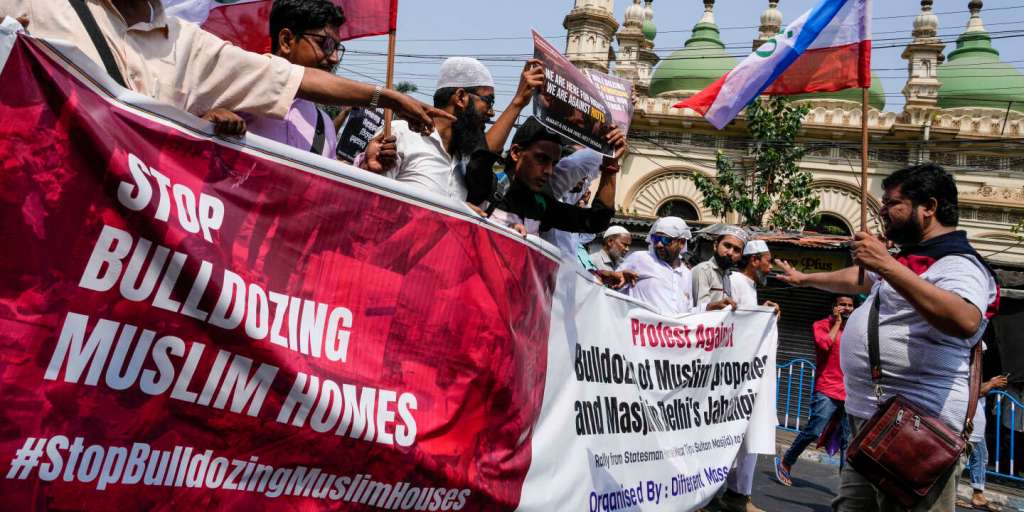
Muslims walk in a rally protesting the razing of a number of Muslim-owned shops following violence in New Delhi, in Kolkata, India, Friday, April 22, 2022. Authorities riding bulldozers razed a number of Muslim-owned shops in New Delhi before India’s Supreme Court halted the demolitions Wednesday, days after communal violence shook the capital and saw dozens arrested. (AP Photo/Bikas Das)

List of Acronyms

CAA – Citizenship Amendment Act
NRC- National Register of Citizens
UAPA- Unlawful activities Prevention Act
NSA- National Security Act
BJP- Bharatiya Janata Party
CPI- Communist Party of India
AIMIM- All India Majlis-e-Ittehadul Muslimeen
INC- Indian National Congress

Case Overview

On June 12, 2022, a Muslim activist from Uttar Pradesh, India, claimed that a law enforcement agency demolished her residence in retaliation for her protests against statements made about Prophet Muhammad by members of the country’s right-wing ruling party (Aafaq, 2022). Muslims in India saw the remarks made by BJP member Nupur Sharma and former Delhi press head N.K. Jindal (Barton, 2022), as the latest examples of the BJP’s anti-minority hate speech, which has escalated since Modi took office in 2014. Numerous Muslim countries have asked the Indian government to apologize. When their family home was broken apart, activist Afreen Fatima, politician Javed Mohammed, and wife Parveen Fatima confronted the illegal use of force (Aafaq, 2022). The municipality and the government argued that the house was built illegally (Kundu, 2022). Nonetheless, the family claimed that the accusations were baseless and denied all claims that the house was unauthorized. Additionally, the family stated that they had been paying their house taxes for over 20 years and that no official in Allahabad had ever notified them that their property was illegal (Aafaq, 2022). If it was an unlawful property, it remains unclear of why they would collect taxes at all. The family also presented water bill and property tax records to back up their allegation (Kundu, 2022).

It is critical to underline the Constitution’s preamble while analysing the incident. After the adoption of the 42nd Amendment in 1976, the Preamble of the Constitution proclaimed India to be a secular state (Baruah, 2007). In light of this, the emergence of BJP and Hindutva’s prominence in the country disenfranchised Muslims (Pundir, 2022). This is against the preamble’s values. The preamble also guarantees the safety of all persons, upholding the rule of law and declaring that everyone is subject to the law. This also supports the idea that Hindutva influence favours the Hindu narrative of the occurrence, devaluing the Muslim perspective. Ultimately, this case demonstrates a lack of secularism as well as press and speech freedoms. As a result, it is argued that the authorities and law enforcement used force to preserve the so-called security of the community from Muslims.

News agencies such as Al-Jazeera and Times Now have described the same event involving Afreen Fatima in varied ways. The Qatari news network Al-Jazeera is widely renowned for its support for the Islamic world (Miles, 2006). As a consequence, it is plausible to conclude that, since this event predominantly concerns a Muslim family experiencing difficulties, Religion is the underlying root of the problem in this case. Times Now, on the other hand, is seen as a pro-BJP media channel that promotes Hindutva ideology in domestic politics.

Dilemma

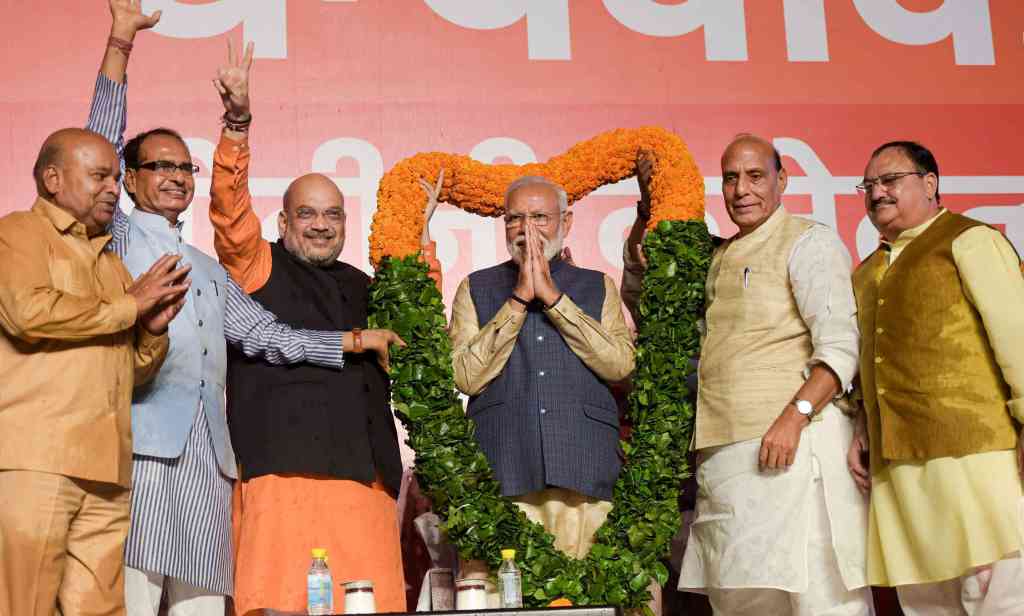
Narendra Modi & Senior BJP Leaders after the 2019 Lok Sabha election results, including Amit Shah (Centre Left) who currently serves as the Minster of Home Affairs. (PTI)

Under Hindutva politics, Islamophobia has risen in India. The current BJP administration and its affiliated groups are said to have pushed an anti-Muslim narrative through hate speech, regressive policies, and violence against Muslims. As a consequence, lynching’s, hate crimes, and systemic prejudice against Muslims in several aspects of society, especially employment and housing, have intensified. In particular, Muslim minorities have been targeted by the government’s discriminating legislation, such as the CAA and the NRC, which have been criticized for their nature and constitutional infractions (Ranjan & Mittal, 2023).

Due to the BJP regime’s growing Islamophobia, Muslims are now being treated unfairly in a variety of situations, which has led to a number of legal challenges. One of the legal concerns is the implementation of discriminatory regulations such as the CAA, which allows illegal immigrants from neighbouring countries to become citizens but forbids Muslim immigration (Toi-Online, 2020). Another legal issue for Muslims is the breach of the NSA and the UAPA, which were used to oppress the Muslim community (Saifudheen, 2019). To quell turmoil and target Muslims, policies allowing detention without a trial are introduced. Furthermore, the BJP has not appropriately handled the rise in hate crimes, which has provided perpetrators with a perception of immunity. Muslims currently live in an environment of uncertainty and instability since many do not believe they are protected by the law.

One of the political challenges they face is the lack of representation of Muslims in democratic structures like parliament, councils, and local authorities (Sharma, 2019). Lack of engagement and advocacy for Muslim concerns in policy-making has resulted in seclusion and marginalization. Prosecution of Muslim political leaders and activists by law enforcement agencies leads to suppression of resistance and political involvement, which is another political problem. Muslim activists and politicians are routinely subjected to unwarranted arrests and unfounded accusations, making it complicated for them to participate in politics (Civicus, 2022). The BJP’s discriminatory actions have further marginalized Muslims in politics and damaged the Rule of Law, which ensures equal rights and protection for all citizens.

Political parties in India have varying perspectives on the impact of Hindutva politics. Since it promotes the primacy of Hindu cultural values, the BJP has been accused of fostering Islamophobia through instigating violence and passing unfair policies against Muslims. The party refutes these claims and argues that it is devoted to the betterment of all citizens, regardless of their religion. On the contrary, opposition parties have attacked the Hindutva laws and the party for exposing majoritarianism and division of the Indian population. The INC, AIMIM, CPI, and various regional parties are among these parties.

Synthesis

Afreen Fatima, the former JNU student turned activist after her home was demolished and father imprisoned by the Uttar Pradesh government in June 2022. (VIA thecognate.com)

Considering the nature of the Indian political system, various political parties have approached the issue of Afreen Fatima in varied contexts. The fact that Afreen Fatima’s home was demolished with official assistance has become a representation of how Muslims are mistreated in India, where illegal force is often used towards them. We can see from the last section that the dilemma in this scenario is Islamophobia. Since the BJP is the dominant party, it may believe it is permissible to employ Hindutva and state-sponsored violence to demonstrate its authority and “neutralize” the impact of Islam in the region. Nevertheless, the BJP denied the charges and claimed that the home was destroyed owing to unlawful construction (Aafaq, 2022). This could mean that the BJP wants to send a message to Muslims and other minorities that India is a Hindu-dominated country and that anybody who opposes Hindutva philosophy would be excluded immediately. As a consequence, pro-BJP media channels like as Republic TV, Zee News and Times Now did not report the Afreen Fatima event in depth. For example, a newsroom debate about the event was shown on Republic TV and Times Now once each. The majority of the event was covered by anti-BJP news channels such as Mirror Now, India Today, NDTV, TRT Network, and Al-Jazeera. The lack of broadcast indicates that either the event was concealed and information was suppressed, or that news outlets did not want to report anything that might undermine Hindutva ideology.


The moderator of Republic TV’s news discussion gave greater weight to the guest who was Hindu nationalist. The headline of the Times Now YouTube video was “Bulldozer Raj: The government did not target just Muslims, but all other communities as well” (TIMES NOW, 2022). These news angles, as per analysis, are slanted in favour of Hindutva politics. Yet, the narrative has been extensively carried on Al Jazeera, India Today, and NDTV for many weeks. It is difficult to see the situation from both perspectives since leading TV outlets, which are primarily pro-BJP, broadcast disinformation. The family’s taxes were highlighted on Al-Jazeera and India Today. Yet, this fact was not publicized by BJP-controlled news agencies. Moreover, hate crimes, mob violence, and acts of aggression by Hindu nationalist groups violate the values of the constitution’s preamble undermining the country’s Rule of Law authority for the purpose of so-called citizen protection. Consequently, this erodes the integrity of the rule of law in the guise of “citizen protection” is detrimental to minority population.

Conclusion

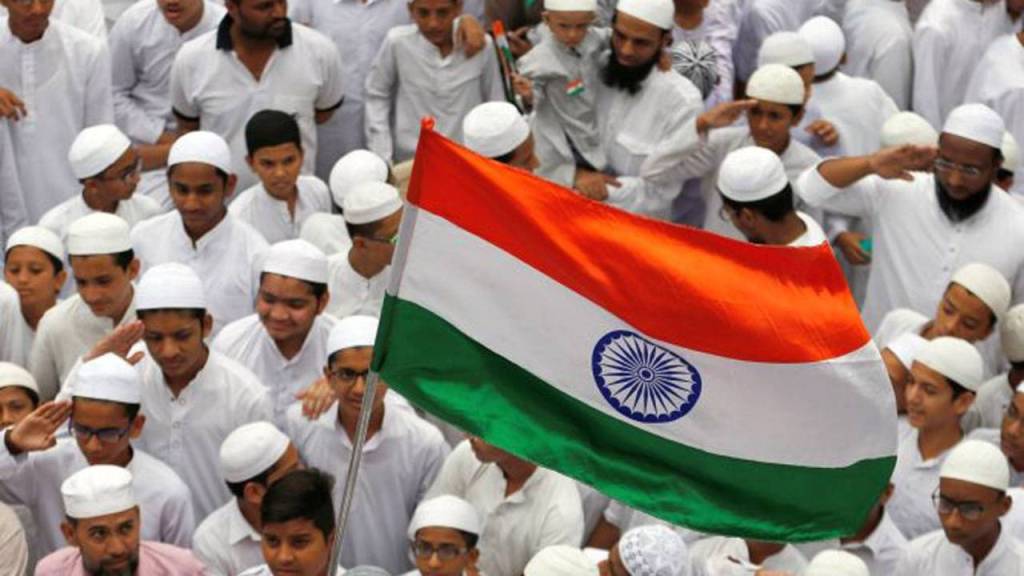
Indian Muslims at a crossroads; how far can the followers of Islam trust the Indian government to uphold and protect their civil liberties? (VIA alhaqeeqa.org)

With the growth of the BJP, Islamophobia has grown, and since Modi’s victory, India’s politics have been dominated by religious differences rather than other issues. The ruling right-wing, Hindu nationalist party denied that the family house in Prayagraj was brutally demolished. Moreover, pro-BJP news outlets such as Times Now and Republic TV, either broadcast misleading material or suppress it from the general public. This event is very similar to past incidents affecting Muslims since 2014, and it is clear that this is another statement addressed against the Muslim community. This illustrates the governing party’s lack of support for the commitment towards secularism. Moreover, these groups keep undermining the rule of law under the guise of defending civilians.

Bibliography

Aafaq, Z. (2022, June 14). India activist Afreen Fatima says her house bulldozed ‘illegally.’
Islamophobia News | Al Jazeera. https://www.aljazeera.com/news/2022/6/13/act-of-vendetta-afreen-fatima-on-her-house-bulldozed-in-india

Barton, N. (2022, June 6). 10 Times When BJP Leaders (Not Fringe) Made Anti-Muslim Hate Speeches. The Wire. Retrieved April 3, 2023, from https://thewire.in/communalism/bjp-leaders-fringe-anti-muslim-remarks-gulf-countries

Baruah, A. (2007). Preamble of the Constitution of India: An Insight and Comparison with Other Constitutions. Deep and Deep Publications. BBC News. (2019, December 11). Citizenship Amendment Bill: India’s new “anti-Muslim” law explained. BBC News. https://www.bbc.com/news/world-asia-india-50670393

Civicus. (2022, August 1). Indian authorities criminalise activists and bulldoze homes of
protesters to silence dissent – Civicus Monitor. Retrieved April 3, 2023,
from https://monitor.civicus.org/explore/indian-authorities-criminalise-activists-and-bulldoze-homes-protesters-silence-dissent/9

Kundu, P. (2022, June 16). Plants in my demolished house cursing them: Daughter of key
accused in Prayagraj violence. India Today. Retrieved April 3, 2023, from
https://www.indiatoday.in/india/story/plants-in-my-demolished-house-cursing-afreen-fatima-prayagraj-violence-1963134-2022-06-16

Miles, H. (2006). Al Jazeera. Foreign Policy, 155, 25462058. http://www.jstor.org/stable/25462058

Pundir, P. (2022, June 14). Why Did the Indian Government Demolish This Prominent Activist’s Home? Vice News. https://www.vice.com/en/article/4axgjj/india-muslim-activist-afreen-fatima-bulldozer-politics

Ranjan, A., & Mittal, D. (2023). The Citizenship (Amendment) Act and the changing idea of Indian Citizenship. Asian Ethnicity, 1–19. https://doi.org/10.1080/14631369.2023.2166460

Saifudheen, A. (2019, November 6). UAPA Amendment Act: India to create permanent national security state at the expense of human rights. Maktoob Media.
https://maktoobmedia.com/india/uapa-amendment-act-india-to-create-permanent-national-security-state-at-the-expense-of-human-rights/

Sharma, A. (2019, May 10). Where Is The Muslim Representation In Secular India? Youth Ki Awaaz. https://www.youthkiawaaz.com/2019/05/why-muslims-are-not-elected-in-lower-house-of-parliament/10

TIMES NOW. (2022, June 14). Bulldozer Raj: “Government Did Not Target Only Muslims, But To All Other Communities As Well” [Video]. YouTube. Retrieved April 3, 2023, from
https://www.youtube.com/watch?v=V154Bd1MKTc

Toi-Online. (2020, January 9). What is CAA? The Times of India. Retrieved April 3, 2023, from https://timesofindia.indiatimes.com/india/what-is-caa/articleshow/73153785.cms

The Rise of PMCs: The Privatisation of War & Conflict

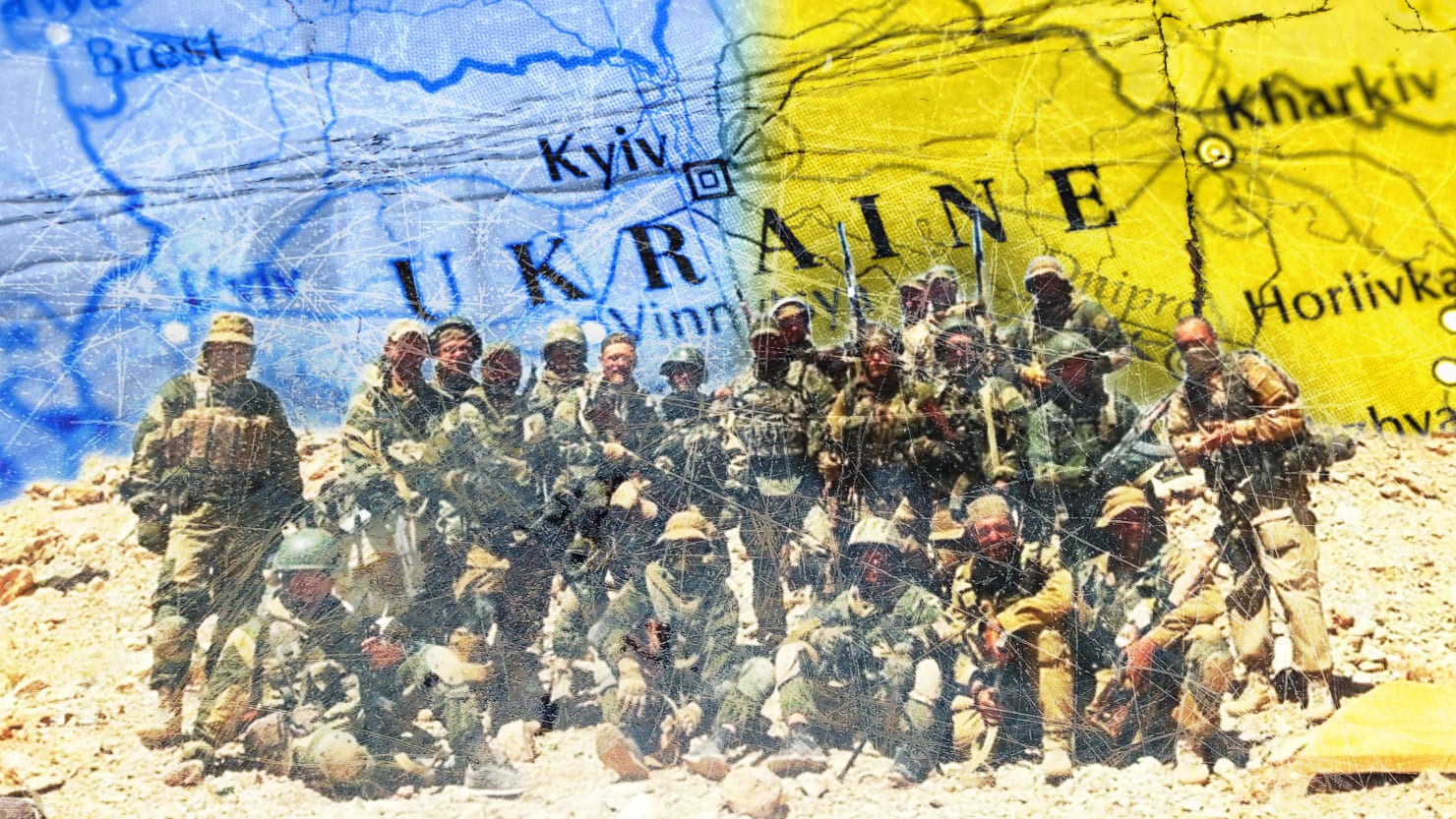
Prigozhin’s men have been from Central Africa to Eastern Ukraine for the Russian State, but do their desires for profit outweigh the Russian states wishes? – source: thedailybeast.com

For Millennia, Mercenaries looking for gold and a good fight have existed across the globe ever since humans came across neighbours they’d rather not have. In the post-cold war era this phenomenon has resurfaced in a major way. With ex-service, government and business personnel formulating Private Military Companies (PMCs) to offer a range of conflict services both overt and covert to the highest bidder in conflict zones across the world. From governments and corporations to terrorist organisations, the demand for privatised violence has only increased since the first invasions of Afghanistan in 2001. The advent of privatised conflict has changed the nature of warfare in major ways, allowing for a discrete fighting force, politically unaccountable to governments utilising them as a cheap and purposeful force to enact foreign policy goals and legally unaccountable to international law, allowing for huge breaches in human rights and the rules of engagement on the battlefield. As domestic audiences become more adverse to the use of national troops to fight in places they couldn’t even find on a map, PMCs have become almost a necessity for all varieties of polities to achieve their international aims. This article will question the supposed monopoly states hold as the singular violent actors within warzones, exploring the concept and practical use of PMCs, including an in-depth analysis of ‘The Wagner Network’ as a unique example and how they are leading the expansion of PMC services into completely different industries, at times looking more like a cartel than a registered security service. In a recent parliamentary committee investigating the extent of this network, one of it’s recommendations was to label it as a ‘Terrorist Organisation’ in itself. Is the future bound for an increase in private hostilities and will we see further proliferation of Private Military Companies taking over more roles of traditional state behaviour, or will the international community bind together to halt the tide of private warfare? 

The Origins of Mercenaryism

Nubian Warriors from the South of the Nile are thought to be the first recorded instance of Mercenaryism, being paid to fight for the Egyptian Kingdom to their North as early as 2,686 BCE. Source: http://www.pintrest.com

As Colonel George, H. Dodenhoff of the US Marine Corps writes in 1969; “The use of Mercenaries is probably as old as war itself.” Indeed as polities grew and developed a taste of expansion or needed a force to defend itself from outside invaders, career soldiers across the world were in demand. Where local populations were not great or skilled enough to adequately wage war themselves, a professional force was required. The archaeological record takes us back over 4,500 years to find the first verifiable instance of Mercenary use. The photo above depicts a relief showing the ‘Medjay’ or Ancient Nubian archers that Egyptian Pharaohs would rely upon to bolster their own ranks with highly skilled fighters. This trend was to be set in stone, quite literally, as a hallmark of armies for centuries to come maintaining itself as one of the longest standing industries in the history of the world, second only to farming. Mercenaries have been utilised everywhere as auxiliary forces attached to an army, personal bodyguards for rulers of huge empires and security for foreign businesses across the globe. The Ancient world was highly reliant on mercenaries to conduct warfare, with even the Roman’s Imperial Army at the end of it’s time consisting of 60% Visigoths, protecting an Empire they did not belong to. Some other notable mercenaries from history include;

  • Xenophon of Athens & the Ten Thousand (430-355 BCE)
  • Arminius, German Roman Legionnaire (9 CE)
  • Harald Hardrada, Viking Mercenary (1015-1066 CE)
  • Templar/Hospitaller Knights, Crusades (1119-1312 CE)

This trend of Mercenaryism continued uninterrupted for years until the creation of the ‘Westphalian Order’ after the 1648 Peace of Westphalia. In the long shadow cast by the collapse of the Roman Empire in the 4th Century, Europe had been a nonstop battleground for territory and resources between leaders of smaller and smaller Empires, Kingdoms, Principalities and City-States. In the Aftermath of the 30 Years War which had claimed the lives of an estimated 4.5-8 million people, European rulers began to change tone in their view of Mercenaries. When a plethora of political actors lay claim to overlapping territories and population centre’s with huge wealth to finance these claims and annihilate its competitors, it only leads to mass violence between all, and in the process creates a massive market for private warriors, who saw no reason to quell the violence when it only continued to line their own pockets. Rulers became wise to this and in a process that spanned more than 2 centuries began the nationalisation of military force, creating standing armies loyal only to their homeland. In conjunction with the outlawing of private armies, smaller nonstate actors now had no access to violence and had a stark choice; bow down to the state as a subsidiary or die. States quickly realised that those who hold the means to commit violence are the ones who are able to create the rules that the rest have to follow, and so monopolising the market for violence was a direct way to do this, establishing the nation-state as the only ‘sovereign’ actor that had the right to wage war. Warfare quickly became a state-on-state affair, coming to be known as conventional warfare but as Sean McFate adequately puts it; “The Westphalian Order spread across the globe through European colonization, and today we have internalized it as timeless and universal, even though it is less than 400 years old.”

Mercenaryism did not disappear immediately however, reinstituting as a state-sponsored affair to enact stately foreign policy or trading missions such as the Dutch or English East India Companies. Yet by the 1850s the industry was all but defunct with the last known official use of a mercenary force in 1854 during the Crimean War. The industry would go underground, with lone wolves travelling between conflict zones secretly earning coin from anyone willing to risk employing them. The industry as it was known for centuries was all but dead for the next 100 years.

PMCs in the Modern World

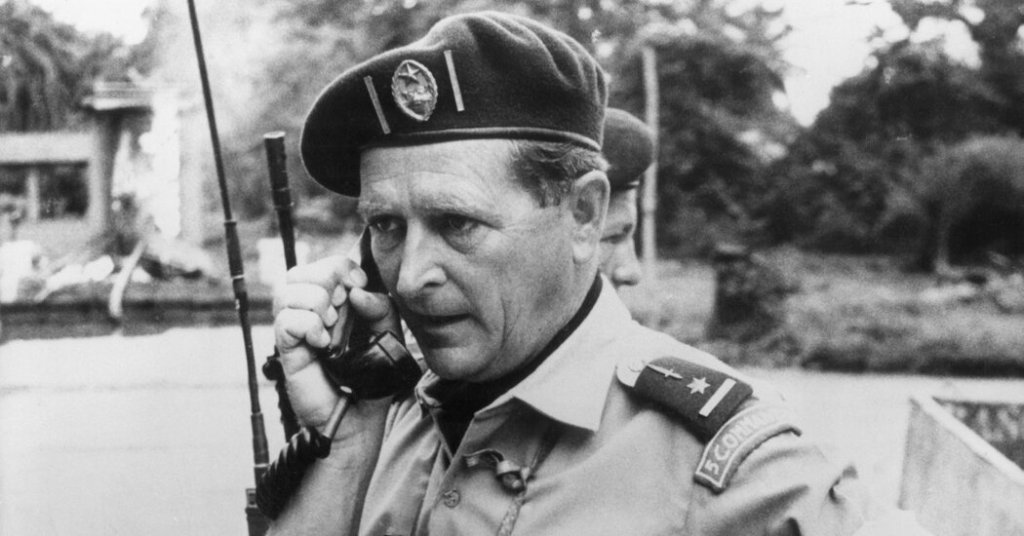
‘Mad Mike’ Hoare photographed in the early 1960s when he was employed as Colonel of ‘5 Commando’ a proto-PMC hired by soon-to-be President of Congo Moise Tshombe to quell Communist insurgency in the country. Source: http://www.bbc.com

After two World Wars and the death of Colonial Empire en masse, a new geopolitical balance was born in the form of Capitalist America and the Communist Soviet Union, which allowed for a modern re-birth of the Mercenary industry. This new Cold War fundamentally altered the viability of conventional warfare on a massive scale. Warfare was no-longer a direct affair, with the US and Soviet Union avoiding head-on conflict mainly due to the proliferation of nuclear weapons since 1945 and the fact that they shared no common borders. In the post-war era proxy wars, covert operations and spheres of influence were the new terminologies describing warfare in the bi-polar world. This new geopolitical stalemate created the conditions for a resurgence of private military players re-entering the global stage in a major way. One of the first instances of a private force being utilised in conflict after the century-long hiatus was ‘4 and 5 Commando’ led by Irishman & ex-British Army veteran ‘Mad Mike’ Hoare who raised a small force of mainly South African’s (but also included British, Belgian and German veterans of WWII) to work for the businessman turned Prime Minister Moise Tshombe during the ‘Congo Crisis’ of 1961-65. Hoare’s force was employed to crush rebellion in Katanga in 1961 and in Eastern Congo during the ‘Simba Rebellion’ from 1963-65. Backed by the Congolese government and the West who had orchestrated the ousting and murder of the previous democratically-elected Patrice Lumumba in 1960, Hoare was utilised as a counter-insurgent force to restore government control to the outer provinces of Congo who were in support of Lumumba and armed by the Eastern Bloc. Whether knowingly or not, Hoare and his Commando task forces had laid the foundations for the future of private warmongering for years to come. In interviews, Hoare professed that his force were ‘volunteers’ but each man was paid the equivalent of $1,100 a month to put down rebellion. He was also very brash about the actions of his force, openly bragging to the BBC no less in 1969 that he would make captured rebels ‘walk blindfolded through a minefield’. Hoare’s forces were notorious for their utter devilish treatment of captured rebels and civilians alike, as well as ransacking bars and banks after clearing out areas from rebel occupation.

Nor was this the only time Hoare would influence the discussion around Mercenaryism in a major way. In 1981, Hoare was contacted to lead a force of 55 Mercenaries to attempt to depose the Seychelles government after France-Albert Rene had ‘promoted’ himself from Prime Minister to President which threatened the US’ access to their military base on the nearby Diego Garcia Island. However Hoare’s force was foiled in the airport after one of his men accidently queued for the ‘Something to Declare’ line in which after inspection by a Customs Officer found their AK-47s concealed under a false bottom in his bag. Another Merc assembled his weapon, shooting the Officer before he could reach safety. After a shootout at the airport Hoare and his force had to evacuate by plane to flee capture and avoid being prosecuted for treason. In a major part, Hoare’s adventures had created a backlash necessary to warrant an update of the Geneva Conventions outlawing Mercenaries from combat in 1977 and a further 1989 UN Mercenary Convention again criminalising the guns-for-hire industry which was signed by 46 different nations in 2001. However, these legal implications are as restrictive as they are imprecise in the definition of a Mercenary, and as military historian and legal scholar Geoffrey Best remarks, “any mercenary who cannot exclude himself from this definition deserves to be shot—and his lawyer with him!”

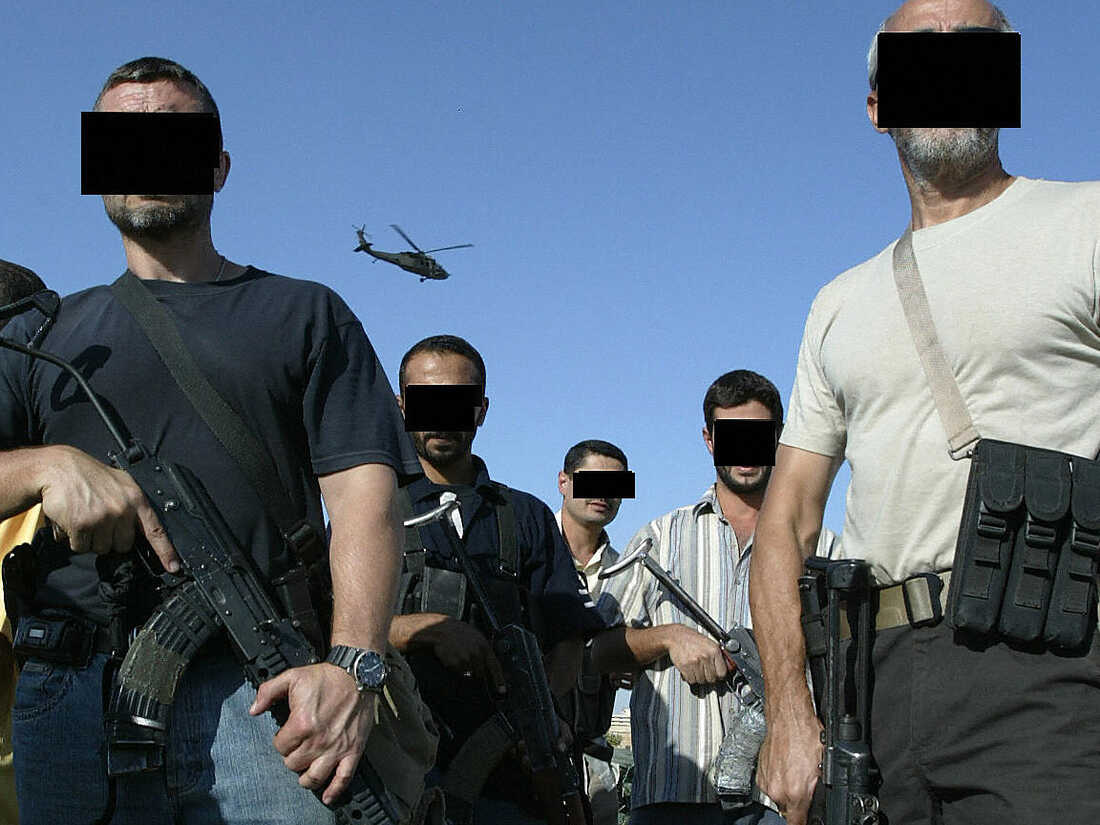
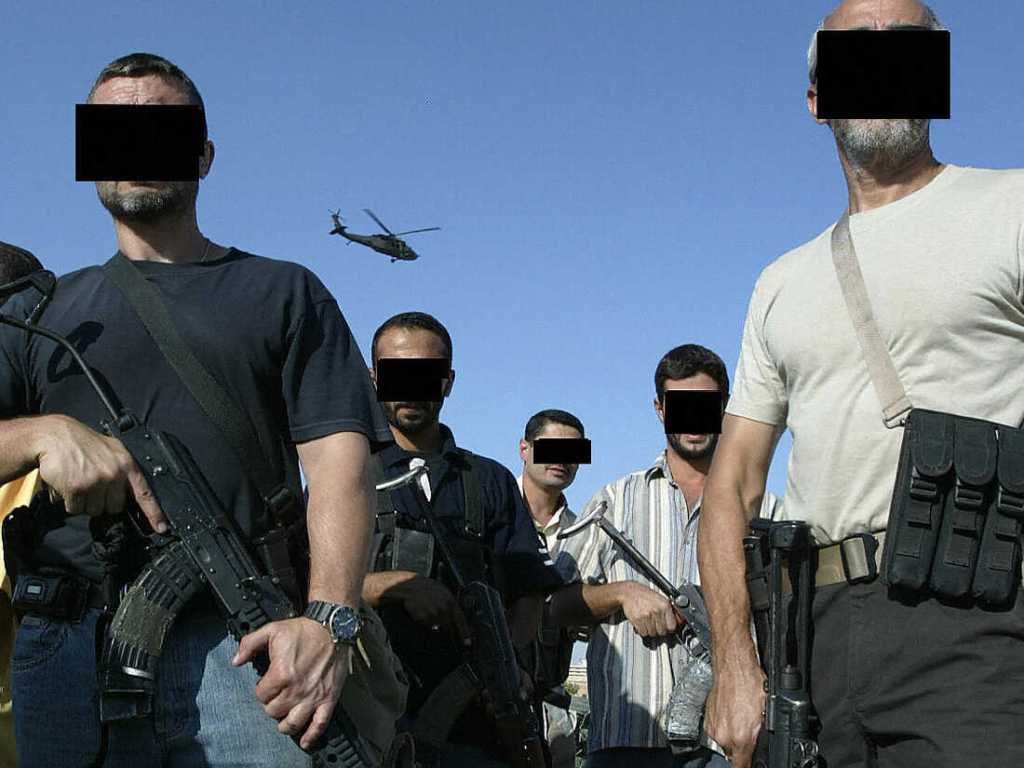
Unidentified Blackwater (now Academi) Operatives, founded by ex-Special Forces Erik Prince in 1996. Blackwater was the largest supplier of private military services in Iraq & Afghanistan. Source: http://www.buzzfeed.com

The Fall of the Berlin Wall in 1989 was another key date in the restoration of the Mercenary industry back to it’s former glory. As International Law failed to properly develop effective protocols against the use of Mercenary Companies, the end of the Cold War sparked the decline of the Westphalian Order as the dominant political system. State sovereignty began to erode across the globe, as the implosion of the Soviet Union created power vacuums in it’s old territories and overnight led to the vanishing of superpower support for allies involved in proxy wars abroad. New states began to tear themselves apart like in the Balkans, some failed altogether such as Liberia and Somalia whilst others were captured by narco-groups such as Mexico and Guinea-Bissau and others yet attempted to be destroyed altogether to make way for a ‘Global Islamic Caliphate’ such as Iraq & Syria. This geopolitical chaos was the perfect storm for Mercenaries to profiteer from. Yet due to the international legal protocols in place Mercenaryism had to die in name in order to continue legally unopposed. This is where the term ‘Private Military & Security Companies’ (PMSCs) originates from, (the longer version of PMC) corporatising and organising into an entity that aesthetically looks like a legitimate company for all intensive purposes, offering ‘bespoke security services’ to all manner of clientele yet never opaque enough to see a true account of what they are actually doing and who they are actually working for. All it took was a name change, as Sean McFate delicately illustrates;

“International public law is feeble and difficult to enforce. One famed legal scholar called it the “vanishing point of law,” since it is followed by courtesy rather than compliance. This is especially true with the Law of Armed Conflict. There is no international judiciary, police force, or prisons so there is little consequence for violating the law…Some think the answer is self-regulation, such as the ICOCA (International Code of Conduct Association). While a noble effort, it does not apply to covert mercenary actors who are the major threat to international order.”

Notably, the US, UK, Canada, Australia, China, Russia & Turkey are not signatories to the 1989 UN Convention. Although they would reprimand use of PMCs against themselves, they are clearly not adverse to using them against opponents. Furthermore less than 15% of registered PMCs opt for regulation by the ICOCA, with Open Democracy UK finding that 77% of UK based PMCs fail to even name their staff, with companies disappearing as quickly as they appear, only existing to deliver individual projects, or rebranding quickly after fatal incidents adding to the shadiness of the industry and it’s dealings as a whole. This has given rise to a boom in the profitability of privatised warfare however for businessmen and ex-servicemen looking to make a career from war outside the typical national avenues. It is estimated that the industry is worth $275 billion a year, and operatives can earn a cool $120,000 a year tax-free. In the period of 2007-12 the US Department of Defence paid out $160 billion to private contractors in Iraq & Afghanistan, and by the height of conflict contractors comprised over 50 percent of the U.S. force structure in Iraq and 70 percent in Afghanistan. These PMCs gain lucrative contracts from governments to supplement national troops in conflict zones, train existing military units (usually in countries with a poor military record) and conduct security for high-priority personnel, sites of strategic or economic importance such as mines and oil rigs as well as the transportation of valuable goods between bases or to ports and airports. This also bleeds over to civilian and business security in dangerous areas of the world, where contractors conduct work in much the same way they do for governments. Yet why utilise PMCs in the first place if they are expensive, and rarely sympathetic with the causes of the conflict they are entering? Politically, domestic audiences around the world have become more and more adverse to conflict and the horrors it puts combatants through. Especially Western audiences after Vietnam, Iraq and Afghanistan – war does not poll well, especially extended conflict. So PMCs provide an adequate service, without their exploits endangering national personnel and provide governments with a level of plausible deniability that allows them to distance from any potential blusters. Such as the Nisour Square Massacre, where in 2007 Blackwater operatives murdered 17 Iraqi civilians, injuring a further 20 including 4 children, causing worldwide outrage, but as non-US personnel the US government was not directly responsible for the atrocity. As we have seen, there are little legal ramifications for violations of international human rights, and even national governments are likely to ignore these; with President Trump in 2020 pardoning the 4 operatives found guilty by US courts a few years prior.

There are more than 30 notable PMCs in operation at current, with the large majority residing in the West and in particular the Anglosphere. Due to the context of the Cold War and a history of shared culture, language and values the US, UK and Australia specifically maintain consistent collaboration within the industry with HQs, operations, personnel, ownership and employers all hailing from these nations. This has allowed companies like G4S, Blackwater (Academi) & Triple Canopy to become highly successful, even being traded on Wall Street and operating in every single continent bar Antarctica. The UK itself has 235 registered PMSCs known to be currently operating in 17/30 countries the Foreign Office lists as ‘Human Rights Priorities Countries’. However the industry has not stopped there, in the wake of Iraq & Afghanistan the industry has globalised, moving beyond the image of Blackwater in Iraq in 2007 to become more lethal, more irrespective of International Law and more willing to work for risker clients and in more dangerous political climates. It is notable that oil-rich Arabian States have begun to employ PMCs to step-in for a lack of a capable and aggressive national military to conduct military operations and pursue foreign policy goals. Interestingly they have begun a trend of hiring South American contractors, veterans of the Drug Wars at a considerably cheaper rate than Western Mercenaries which Western PMCs have followed in earnest. According to a Department of Defence (DOD) report, nearly 50,000 contractors worked for U.S. Central Command in 2018. Of these, only 20,000 were American. There were 2,002 armed contractors, 746 of whom were Americans and 1,256 whom were foreigners. The niches of the PMC industry go further still, with some PMCs contracting for Terrorist Organisations. Malhama Tactical, based in Uzbekistan are made up of exclusively Sunni Muslims and will only work for Jihadist extremists, with previous clientele such as Nusra Front and the Turkistan Islamic Party in Syria. In the wake of the US destabilisation of the Middle East, it has unleashed an ever-expanding market, commodifying warfare in every politically undermined and conflict-prone region creating a huge demand for private contactors that are seemingly continuing to push the boundaries of what constitutes the normal activities of these private companies. In light of this, Western powers and contractors alike have faced significant backlash against their presence in many of these states, allowing for alternative political actors to take their place. Yet no one has taken advantage of this context and extended the reach of the privatised industry into more than just the military sphere like Yevgeny Prigozhin and The Wagner Network. 

The Wagner Network

Yevgeny Prigozhin was until recently the mastermind behind The Wagner Group and it’s adventures since 2014 across the world. Yet what he created was more than just a usual PMC, rather a global network. Source: http://www.arisetv.com

Whilst the Wagner Group is not the only Russian-founded PMC in operation, it is the most expansive and significant. Since 2014, Wagner has operated in at least seven countries: Ukraine; Syria; the Central African Republic (CAR); Sudan; Libya; Mozambique; and Mali in an offensive military capacity. There are 10 further
countries where there is medium or high confidence that it has been involved in
a non-military capacity since 2014, and many more countries where the network’s
presence is rumoured. Particularly in the Middle East and Africa, Wagner has sunk it’s teeth into regions that have rejected western support in favour of Russian-backing to secure unstable regimes from economic and political instability. Wagner have acted as personal security for African leaders, industrial security for key sites, trainers for regular, intelligence and Special Forces units as well as combatants themselves. What is particularly interesting is the almost sibling-like relationship Wagner has held with the Kremlin, who to varying degrees have utilised the private group as a direct but covert actor of the Russian state itself, collaborating with and often instructing leadership in it’s operations, which helps to achieve Russian foreign policy aims with a cover of plausible deniability of government involvement. The Russian military is known to closely collaborate with Wagner, providing logistical and transport support for their operations. A 2023 UK Parliamentary Foreign Affairs Committee tasked with investigating the extent of Wagner presence and operations received testimony from an ex-Wagner fighter who said of the relationship between the Kremlin and Wagner;

“All that is necessary for combat- uniforms, equipment, weapons and
ammunition, was received from Ministry of Defence stocks…Military transport aircraft of the Russian Armed Forces deliver mercenaries and small dimension/weight cargo to the Khmeimim air base (Syria) and further to Africa. Air bases in the city of Chkalovsk (Moscow Region) and Krymsk (Krasnodar Territory) are used to transport operatives of PMC Wagner. Heavy duty cargo, equipment and ammunition for PMC Wagner are delivered to Syria by the Russian Navy.”

Often in these fragile states, agreements with host governments are negotiated by Prigozhin’s staff, but directed by the Kremlin to support a regime of their choice. The Russian state seeks to find ways to expand it’s influence in regions where key resources and markets can be accessed and simultaneously diminish US and European presence and access to those same resources and markets. This has been achieved primarily through Wagner, who as part of payment for their services have “Gained access to natural resources on preferential terms, to the detriment of the national economy. In Sudan, Wagner-linked gold mining companies have benefited from generous concessions. The network appears to have a “chokehold” over Libya’s natural resources and export facilities; consequently, “Libyan oil output has drastically decreased”.” The potency of Wagner’s presence was nowhere more obvious than the Central African Republic with the group engaging what can only be described as ‘State Capture’ a systemic corruption of existing political institutions for it’s own private benefit. Due to the CAR’s heavy reliance on Wagner forces as security personnel, and to enforce the re-election of it’s president Touadera through any means necessary, the CAR have given way to undermining freedom of the press, political opposition, good governance, international engagement and even potentially the national constitution. In exchange, Prigozhin has negotiated access to diamonds, gold and uranium which whilst mainly taken as compensation for the use of Wagner services, is also indirectly funnelled into the Russian state to help stabilise the economy in light of sanctions placed on it after the invasion of Ukraine. Their gold-smuggling operation out of Sudan has also given much monetary stability to the Russian state, been seen as ‘critical’ to its withstanding the impact of western sanctions since March 2022.

Supporters of the military junta in Burkina Faso openly welcomed Russian, and Wagner support in late 2022. Source: http://www.bbc.co.uk

Wagner’s geographic reach, extension of operations into more non-military spheres, coupled with the close relationship with the Russian state is why the Parliamentary Committee has come to label Wagner as a ‘Network’ rather than a conventional PMC; a sprawling, decentralised network of individuals and commercial entities, which is active in several countries and for which the ‘membership’ is not always clear. Exploiting this web of entities is central to the network’s modus operandi. This has come to threaten international security and been described by Transparency International as ‘increasingly alarming’. The Wagner Network has been an experiment in privatised anti-western propaganda across Africa, their main geographic footprint where Prigozhin-linked social media companies, political advisory groups, media campaigns and opportunistic Russian disinformation have made a consistent effort to effect the political direction of the continent. The committee found that the Wagner Network had engaged in these electoral, advisory and disinformation services in Burkina Faso, Zambia, Chad, Zimbabwe, DRC, South Africa, Madagascar, Mozambique, Libya, and Mali all between 2017-2022. In particular Wagner and by extension the Russian state have made a concerted effort to support the various coup d’etat’s in West Africa, with the report detailing how in Mali in late 2021 the Wagner Network played a decisive role in the growth of anti-French sentiment through social media campaigns both highlighting the French colonial past and the alternative of Russian support for a Mali free from western intervention. Most recently this has extended to Niger at the time of writing, who have banned the export of uranium and gold to France and have essentially told them and other western powers to F*ck off! With the French government set to evacuate all nationals, and potentially the 1,500 troops stationed there, it completes the belt of African states from Burkina Faso in the West to Sudan in the East that have rejected western support, usually in favour of Russian help. Although it’s not verifiable at this time whether Wagner have had a hand in these developments, it would be very unwise to count them out.

However, there is a significant gap between perception and capability when it comes to the Wagner Network. Despite the continued belief by some that inviting them into a country will result in benefits, the reality is that regimes pay a high price for working with the Wagner Network. The original outcomes are rarely achieved. During the past 10 years, Wagner fighters have left behind a trail of atrocities in virtually all theatres where they have operated, with limited accountability. They may present themselves as a highly trained, professional fighting force but their indiscipline, their excessive violence and their financial motivation mean that the network has functioned like an international criminal mafia, fuelling corruption and plundering natural resources. This happiness to engage in illegal activity is aptly illustrated by the Wagner fighter that told the committee that Prigozhin has even bought arms and ammunition directly from Hezbollah. Some regimes’ reliance on the network for survival means that Wagner actors show little respect for the citizens or the laws of the countries where they operate. The network’s military and political involvement in the Central African Republic is all encompassing and should serve as a warning of what may happen elsewhere. Even when Wagner’s deployments do not result in benefits for the host country, they are often a great success for the network itself due to the lucrative resources it accesses, particularly in the Central African Republic and Sudan. Dr Sorcha MacLeod, Chair of the UN Working Group on Mercenaries, warned of the “trends of widespread violence and grave human rights violations” that surround them. Wagner fighters stand accused of atrocities in virtually all of the countries where they have operated militarily since 2014. For example, in Ukraine, the German foreign intelligence service intercepted messages in April 2022 suggesting Wagner fighters played a leading role in the massacre in Bucha. The Ukrainian Prosecutor General is processing more than 93,000 incidents of potential war crimes in Ukraine; he said on 3 July 2023 that Wagner forces had committed “among the most severe crimes” within this number.

Wagner has illustrated that its presence and activities play an active role in regional destabilisation in Africa. Its presence increases the likelihood of violence (including gender-based violence), corruption, autocracy, conflict escalation, the displacement of people, and greater competition over resources. Coupled with its poor history of effective combating of terroristic groups in the region, which allows these groups to develop and expand without proper counter-insurgency tactics necessarily opens regions up to a breakdown of rules-based order under the guidance of the state, birthing a multiplicity of violent actors to emerge and compete for control of territory, allowing violence to become dispersed and fragmented, thus decaying the nation-state as a viable and effective political entity. It can be ascertained that the Wagner Network in itself has played a monumental role in the breakdown of democratic practices and functional civil societies in the states where it is active, profiteering from the pain it has contributed to, whilst acting as another insulating layer for the Russian state from economic hardships due to the war in Ukraine, and further Kremlin foreign policy whilst national forces are entrenched along the Donetsk and Luhansk provinces. Although Prigozhin is gone from the leadership of Wagner, the Russian state is too reliant on the benefits it brings back to the motherland and will continue to utilise it as it has done since 2014. Russia’s Foreign Minister Sergey Lavrov has already stated Wagner’s operations in Mali and the Central African Republic “will continue”. Likewise, a Russian envoy recently reassured General Haftar of Wagner operatives’ continued presence in Libya, and Russia remains a committed regional actor in Africa. The network’s ties to the GRU may also support its survival. Although the threat of a privatised force challenging the Russian state inside it’s boundaries was short-lived in June, it was a sharp reminder of what a PMC is capable of, and what Wagner has been up to for nearly a decade. If governmental institutions are weak and leadership fails to curtail private power, very quickly the state can see itself become involved in a tooth and nail fight with Mercenaryism as it was centuries ago.

The Future of Privatised Conflict

A soldier of the France’s Barkhane counter-terrorism operation in Africa’s Sahel region stand in position at the international airport of Bamako on February 19, 2016. Valls participated in a military ceremony after describing the fight against Islamic militancy as a “battle against barbarity”. Source: MIGUEL MEDINA/AFP/Getty Images

Although a long piece in itself, this article is just a glimpse into the wide and ever-complex world of private military companies, which continues at present to expand geographically, operationally and financially at unprecedented rates in the modern world. A slow decline of the American Empire since the turn of the century, coupled with massive shifts in geopolitical power has led to and created massive ripple effects of destabilisation in regions across the world. As superpower authority and presence wanes globally, and state sovereignty is eroded by an increasing number of non-state actors, PMCs have thrived in the chaos and evolving nature of warfare. As Sean McFate settles it;

“You can kill individuals but not the market conditions that give rise to mercenaryism in the first place…War’s without states is a massive threat to global security, which has been systematically ignored, if not under-reported and understood by states and global institutions. A re-writing of world order not seen since 1648. If international institutions and global power players do not act to make it more difficult for PMCs to operate without impunity, and their backers more difficult to hire and utilise them, then war will become an increasingly private affair, whether fought between corporations, states or terrorist groups.”

As a result the world remains and looks to become an ever-more unstable place, the regions most susceptible to violence will continue to exist in a never-ending cycle of conflict as PMCs from all corners of the globe arrive seeking fortunes from and not an end to one of the worlds most horrifying and bloody instances of the human condition; war.

Sources

https://www.theguardian.com/world/2023/jul/12/wagner-hands-thousands-of-tonnes-of-weaponry-to-russian-army?CMP=Share_iOSApp_Other

https://en.m.wikipedia.org/wiki/Private_military_company

https://en.m.wikipedia.org/wiki/List_of_private_military_contractors

https://ndupress.ndu.edu/Media/News/Article/2031922/mercenaries-and-war-understanding-private-armies-today/

https://www.opendemocracy.net/en/opendemocracyuk/britain-is-world-centre-for-private-military-contractors/

https://committees.parliament.uk/work/6641/the-wagner-group-and-beyond-proxy-private-military-companies/

https://carnegieendowment.org/2020/06/02/implausible-deniability-russia-s-private-military-companies-pub-81954

https://guide-humanitarian-law.org/content/article/3/private-military-companies/

https://amp.dw.com/en/wagner-group-what-are-private-military-companies/a-66062061

The Hazards of Going to War for Profit

https://press.un.org/en/2018/gashc4246.doc.htm

https://www.jstor.org/stable/44641084 – A Historical Perspective Of Mercenaries. Colonel, George, H. Dodenhoff – US Marine Corps. Naval War College Review, 1969. 

https://books.google.co.uk/books/about/Napoleon_s_Mercenaries.html?id=5FmaBgAAQBAJ&redir_esc=y – Napoleon’s Mercenaries: Foreign Units in the French Army Under the Consulate and Empire, 1799-1814. 

https://www.youtube.com/watch?v=u7PCfN7IXQo – Harald Hadrada: Viking Mercenary 

https://en.wikipedia.org/wiki/United_Nations_Mercenary_Convention#Signatories_and_parties

https://en.wikipedia.org/wiki/Mad_Mike_Hoare 
https://carnegieendowment.org/politika/90294?utm_source=rssemail&utm_medium=email&mkt_tok=ODEzLVhZVS00MjIAAAGNVRwR96ccyBl7ZbEI8CAnpNC6ZpA2aoeVLt2CJemHh0xzmY-Y1WHHgLo80kqGoKTNtYf8epoSU_f3KHMPYsKOtCaLwhPUgA1c_EhX5fQu1g

https://www.washingtonpost.com/politics/2022/10/28/west-africa-niger-france-germany-russia-terrorism/

https://coffeeordie.com/wagner-group-syria-khasham

Why had a system of Jim Crow race relations emerged in the U.S. by the end of the nineteenth century?

Jim Crow. Two words that encapsulated over a century of discrimination against black Americans on the federal, state and county levels of governance. By 1900 after the failure of the Re-Construction Era to plot any long term plans for civil equality between black and white, Jim Crow was in full effect, disenfranchising black Americans from every aspect of US civil society. However, Jim Crow was not borne out of a vacuum; rather it was the product of long term racial social customs developed since the advent of slavery on the East Coast. This essay will contend that systemic Jim Crow was created by a symbiotic relationship between low white society and de facto attitudes, which influenced high white politics and therefore acted as the impetus for the creation of de jure legislation.

The reciprocal relationship will be explored with specific focuses upon the dualistic impact of both anti-black and pro-white legislation, as well as the role of terrorist organisations such as the KKK in maintaining hysteria within black communities to prevent major black organisation against Jim Crow. What should be particularly remembered in this context is the horrific violence experienced by the black community in this era, as a result of Jim Crow; not just legal segregation. Whilst a specific focus will be given on the time period 1877-1900, it is contextually paramount that we see Jim Crow as reaching much further back into the 19th Century for its origins as well as the lasting effect it held well into the 20th Century that necessitated the 2nd period of Civil Rights in the US. Equally, on a geographic scale this essay will maintain focus on the heart of Jim Crow; the Southern states.

Jim Crow De Facto Origins

Jim Crow is an idea borne out of the psychology of slavery. When the first African slaves were brought to American shores in 1619, they were brought with the idea that they were less than human; uncivilised; unable to comprehend the ‘greatness of European society’ – and so were forcibly made into millions of cogs in the proverbial American socio-economic wheel. This foundation was built upon in the psyche of the settlers that became known as Americans for the next 200 years.[1] Jim Crow holds its origins in the psyche of an inferiority-superiority social complex, yet was birthed not as common conceptions hold (in the legal discrimination) but in 17,18 & 19th Century social connotations – Crow had been used as a term to refer to black Americans since the 1600s; ‘Jim’ or ‘Jimmy’ referred to a crowbar in the same era (connotations of criminality). However, primarily the original myth was disseminated through American society through ‘Jump Jim Crow’ a performative act by a white entertainer in blackface in order to belittle and demean black Americans, first performed in 1828.[2] These interpretations of black Americans were widely disseminated across society, as it will be seen the Northern Federal Government & Supreme Court were not shy to enact and support anti-black legislation, yet these social norms were nowhere more powerful than the South.

Even after the death of the Confederacy, in the face of a Union victory in 1865, the mentality of racial hierarchy maintained across white society through all economic classes. This aspect of Jim Crow cannot be stated more crucially for its impact upon the future of American race relations in the postbellum period. Jim Crow as a descriptive and encapsulating phrase for US race relations truly came into its own in the post-war era. As Union soldiers were stationed in the South, enforcing and changing the constitution to equally represent citizens, stripping the South of its bid for full autonomy and tearing its economic model in half – Jim Crow the social complex solidified in the hearts of southern whites.[3] This anger further fuelled the severity of racist beliefs among whites which in turn intensified the adherence to segregational norms, white supremacist politicians and violence towards the black community. This is evident in the proliferation of lynchings in the period 1877-1950 where 4,000 were recorded as happening, but is likely to be much higher. Lynchings had been prevalent during slavery, as punishment for escapees that didn’t make it, and so was an attempt to restore an older tradition of southern culture; a social maintenance of the Confederacy.

De Facto Jim Crow, and by extension the social meaning of lynchings was nowhere more exemplified than in the Colfax Massacre of 1873. Lynching was not only the actual act of hanging, but a metaphor for the inhumane murder methods hundreds of thousands of black Americans experienced in their final moments during the Jim Crow era alone.[4] De Facto Jim Crow was a long term historical trend in American history since its seeds were sown in the 17th Century. Without its social construction, maintenance and development, US society would not have produced the type of racialised system, nor the racist politicians that went on to create De Jure Jim Crow, which legalised and enforced the De Facto Jim Crow belief system of racist white America.


[1] Federico, C. M. & Luks, S. The Political Psychology of Race. Columbus: ISPP, 2005

[2]  Woodward, C. V. The Strange Career of Jim Crow. Oxford: Oxford University Press, 1994

[3] Federico & Luks. The Political Psychology of Race.

[4] Wells, I. B. “Lynch Law in America”. Digital History.

Jim Crow De Jure Legacy

Through a short discussion of the origins of De Facto Jim Crow, it is evident that its impact upon the state of social relations, especially in the South was tremendous. However, it is only when legislation at all levels of governance, beginning with the Supreme Court, that Jim Crow as a whole is unleashed upon American Politics & Society. This institutionalisation of Jim Crow authorised actionable attitudes of (mainly) Southern whites to simultaneously disenfranchise black Americans and facilitate the expansion of white America. The Supreme Court, with the support of the Federal Government, led the charge against the Re-Constructive Era’s extension and protection of Civil Rights for black Americans. Within anti-black legislation there was both a civilian and criminal aspect to control over black freedom.

Historically, Jim Crow De Jure sprouted from ‘Black Codes’ which, after the Civil War, were based on Vagrancy Laws. Black freedmen prior to the Civil War and then all black Americans had to prove when asked by officials (a lot of the time any white) that they held a job that was recognised. If not, they could be arrested. Under the 13th Amendment of 1865, Slavery was illegal UNLESS as punishment for a crime; making the legal system a gateway to the reintroduction of slavery.[1] Prison (black) labour was used in public works in every Southern state, with ‘convict leasing’ a commonly used practice by southern businesses and wealthy individuals to acquire free labour. As Douglas Blackmon wrote it was “slavery by another name”[2]. On the outside of the prison-slavery complex, black Americans were further subjugated to restrictive legal chains. Linking directly to the 1872 Louisiana State election and the subsequent Colfax Massacre, the 1876 ruling ‘US v Cruikshank’ was a shattering legal statement that did much to empower the De Facto enforcers of Jim Crow.

This legal ruling stated that the Bill of Rights did not limit the power of private actors or state governments, empowering them to continue discriminatory practices against black Americans within and without the legal system.[3] This ruling essentially invalidated the 14th Amendment (1868) and the Enforcement Act (1870) both of which were crucial to the emancipation of black America, especially in the South. This early ruling allowed State Jim Crow Laws to develop over the next 20 years, which by 1896 were set to be even further emboldened by them. Plessy v Ferguson (1896) was the final nail in the Re-Construction coffin; again subverting the 14th Amendment and establishing the ‘separate but equal’ legal doctrine that came to define 20th Century Jim Crow.[4] This ruling confirmed the trend away from egalitarianism and an official endorsement of segregation de jure.

On the other side of society, white American’s benefitted from a focus on the expansion of their freedoms and a more direct adherence to the achievement of life, liberty and the pursuit happiness found in the Constitution. This had been set in motion even during the Civil War through the Homestead Act (1862), expanding America to territorially encapsulate and colonise the majority of the northern continent to the current borders of the United States. The Dawes Act (1887) built upon this, after a bloody campaign against Native Americans, tribal lands, borders and people were ripped up from their roots to make way for Manifest Destiny, and allow for European sedentary settlement.[5] Through this conjunction of anti-black and pro-white Federal legislation De Jure Jim Crow embedded itself into the foundations of the US; utilising and expanding the De Facto belief systems that had been brewing for nearly 300 years by the end of the 19th Century.


[1] Lincoln, A. “The Constitution: Amendments 11-27”. The National Archives.

[2] Blackmon, D. A. Slavery by Another Name: The Re-Enslavement of Black Americans from the Civil War to World War II. New York: Anchor Books, 2008.

[3] Blackmon, Slavery by Another Name.

[4] Kelley, B. L. M. Right to Ride: Streetcar Boycotts and African American Citizenship in the Era of Plessy v Ferguson. Raleigh: University of North Carolina Press, 2010.

[5] Pratt, J. W. The Origin of “Manifest Destiny”. Washington: Oxford University Press, 1927.

Jim Crow Terrorism

As a testament to the extent of the intertwined connection between De Facto and De Jure Jim Crow, a historian can look no further than the emergence and actions of domestic terrorist groups such as the Ku Klux Klan (KKK), White League and Red Shirts. In particular, the KKK as a private actor in Southern society had an untold effect upon the development of US racial politics in the 19th and well into the 20th Centuries. Through the use of extrajudicial means the KKK actively sought to undermine and replace Republican governance in the South and further afield, with the vast majority of this being undertaken through the direct targeting of black Communities wherever they existed.

Whilst State legislatures passed grandfather clauses, literacy tests and poll taxes (limiting the legal rights of black Americans) the KKK held a reign of terror across the South, using violence as a method to intimidate, mutilate and murder black Americans in order to maintain the political dominance of white supremacy.[1] This was a complete subversion of the 15th Amendment (1870) and the Civil Rights Act (1866) guaranteeing each citizen the right to vote freely in State and Federal elections. In the case of North Carolina between 1868-70, Klan terrorism was already in full effect, even prior to the removal of Federal protections after the Re-Construction Era.[2]

By the middle of 1869, 15 murders and 100s of lesser atrocities had already occurred constituting severe psychological anxiety on the part of the surviving black community and Republican politicians whom bore arms in fear of their own safety from ‘Vigilante Justice’. Olsen delineates the state of affairs in North Carolina concisely; “Crime and violence of every sort ran unchecked until a large part of the South became a veritable hell through misrule which approximated anarchy…”.[3] This level of violence continued and expanded in the years after, catalysed by the wave of De Jure Jim Crow that was disseminated downwards from the top of American political circles, and would go on to last a further 100 years until the 2nd Civil Rights Era.


[1] Rabinowitz, H. N. From Exclusion to Segregation: Southern Race Relations,1865-1890. Oxford: Oxford University Press, 1976.

[2] Schaefer, R. T. The Ku Klux Klan: Continuity and Change. Atlanta: CAU, 1971.

[3] Olsen, O. H. The Ku Klux Klan: A Study in Reconstruction Politics and Propaganda. Raleigh: North Carolina Historical Review, 1962.

Conclusion

Through this short discussion of the development of Jim Crow to its systemic height in 1900, it can be seen that the De Facto and De Jure aspects are inseparable from each other. Indeed this symbiotic relationship is exactly what allowed Jim Crow to seep into all levels of American politics and society during the 19th Century and further yet into the 20th Century. The long term cultivation of racial psychology in white society developed the ideology that became institutionalised in the post Re-Construction Era and beyond, forming legal jurisdictions that would entrench socially constructed beliefs into physically constructed barriers, dividing a nation in racial halves for over a century. The simultaneous disenfranchisement of black Americans and enfranchisement of white Americans had a dualistic effect, giving white America two legs up and kicking black America twice in the stomach. Vitally, it was private actors such as the KKK which kept traditional American society in check, with their ranks filled with working class to elite men, they were legally allowed to ensure Jim Crow maintained as a social and political system of control and maintain black disunity and disengagement. The white American socio-political complex worked as a fluid machine with one goal; to suppress all others to ensure their own growth – that machine would be known as Jim Crow.

References

Blackmon, D. A. Slavery by Another Name: The Re-Enslavement of Black Americans from the Civil War to World War II. New York: Anchor Books, 2008.

Woodward, C. V. The Strange Career of Jim Crow. Oxford: Oxford University Press, 1994.

Kelley, B. L. M. Right to Ride: Streetcar Boycotts and African American Citizenship in the Era of Plessy v Ferguson. Raleigh: University of North Carolina Press, 2010.

Rabinowitz, H. N. From Exclusion to Segregation: Southern Race Relations,1865-1890. Oxford: Oxford University Press, 1976.

Lincoln, A. “The Constitution: Amendments 11-27”. The National Archives. Accessed Nov 15, 2022. https://www.archives.gov/founding-docs/amendments-11-27

Wells, I. B. “Lynch Law in America”. Digital History. Accessed Nov 15, 2022. https://www.digitalhistory.uh.edu/disp_textbook.cfm?smtID=3&psid=1113

Olsen, O. H. The Ku Klux Klan: A Study in Reconstruction Politics and Propaganda. Raleigh: North Carolina Historical Review, 1962.

Schaefer, R. T. The Ku Klux Klan: Continuity and Change. Atlanta: CAU, 1971.

Federico, C. M. & Luks, S. The Political Psychology of Race. Columbus: ISPP, 2005.

Pratt, J. W. The Origin of “Manifest Destiny”. Washington: Oxford University Press, 1927.

Royal Imperialism: How Republicanism is the only path forward that deals with the core root of Britain’s colonial past.

Upon the royal balcony; an institution built upon the subjugation of its people and the conquest of others – source: insider.com

Royalism. Colonialism. Imperialism. Divide and Conquer. That was the practice of the British from the early 17th Century right until the decolonisation era that begun in the post-war era, which arguably is continuing in smaller ways today. Many understand the practices, the horrifying atrocities committed against millions of indigenous peoples by the invading forces that acted in name of ‘King/Queen and Country’. Yet why do we find ourselves skimming over the real root cause behind British imperialism? In this article we will explore how royal psychology bled through British society in order to co-opt the state, land and its people for imperialistic gains, which the royal family used to exponentially expand their own personal wealth, power and status (and still benefit from today). We will cover the history, the impacts of colonialism on oppressed and oppressor, and what a republican future would mean as a corrective measure to begin to resolve 400 years of colonialism.

As this is such a massive topic, this article will be the first of three pieces which will allow for each component to be properly explored and respect given to the people’s that lost everything to Empire. The title will remain the same yet the image will change (Not so different to Monarchy in itself..).

How the Royal Family forged an Empire on which the Sun never set

A in-depth view of the expanse of the British Empire at its height – source: curtiswrightmaps.com

The most impactful founding tenant behind the moral justification of monarchy is the idea of ‘Divine Right’. The right for one to rule over another is rooted in the fervent religious belief that ‘God’ ordered it to be so. This idea is crucial to the founding psychological basis of Royalist thought, and thus provides a moral grounding for the subjugation of anyone they wish to, looting of any riches they please, and the expansion of their own territory into any part of the world. Arguably this basis is present in any monarchical or dictatorial organisation that subscribe to religion. However, it has been nowhere more powerful than in Britain. This much is obvious; the Monarchy still exists in 2022.

Yet this ideal was forged as early as British Kingdoms began to take territorial shape and convert to Christianity after the Benedictine missions to the Island in the centuries after the Roman collapse (5th Century CE). Arguably the idea was originally extrapolated from the experiences of Roman colonisation and civilisation. Royal embodiments of this idea include Alfred the Great, King Charles I and Queen Victoria to name a few. This idea has been so powerful within Britain, and contributed massively to the production of imperialistic mindsets throughout the halls of power during the colonial era. However, where things dramatically change is when Divine Right combined with racial theorists to produce another momentous ideology; white supremacy. The combination of these two deadly ideas formed the modernist ideological basis for greater colonial expansion beyond just trading relationships, and the time we generally think of when we think of the British Empire. Beginning at the height of power, the Royal White Family conceptualised themselves as religiously, financially and racially superior to all those below them and thus were justified in all ways to exploit as they pleased. It was ‘God’s’ will remember?

This narcissistic psychological foundation was disseminated from the top down into British society through the centuries, cementing the Monarchy as an immovable political actor in Britain. Co-opting the people into believing in the legitimacy of their own rule, whilst simultaneously convincing white Britons of all social classes of their superiority over the rest of the world. These were the founding characteristics that allowed the Royal Family to guide the nation onto a path of unending conquest. This as a result produced a social psychology of entitlement, and for those of a more liberal disposition a white saviour complex. Conservatives believed in the undisputed right to take, Liberals believed in the inability of foreign lands to govern themselves; both supported colonial expansion. The Royals had got what they wanted by the 17th Century; a serviceable population that, regardless of political sway, supported imperialism.

Divide & Conquer: The East India Company and The Royal African Company

The Mughal emperor Shah Alam hands a scroll to Robert Clive, the governor of Bengal, which transferred tax collecting rights in Bengal, Bihar and Orissa to the East India Company. Illustration: Benjamin West (1738–1820) British Library

Practically this was carried out through a method that would be used a thousand times over to a wide variety of nations, lands and peoples. Divide & Conquer, Royal Charters and Private Companies. Britain as an Island on the North-Western tip of the European continent did not possess the ability to field a massive fighting force of natives like various different empire’s had been able to in the earlier stages of colonial expansion. Instead they leaned on their strengths; Naval power and pitting regional groups against each other. In some cases utilising the local population to police their own oppression. This was the case in India when the East India Company (EIC) began to recruit Indians to collect taxes for the company from the local population that previously had been paid to the native Mughal Empire before it was defeated and forced to concede power by the EIC in 1765. How this links back to the Royals however, is through the issuing of Royal Charters. Royal Charters were unilateral decrees made by Monarch’s, given to private companies to carry out specific tasks on behalf of the crown in the imperialist sense.

The Crown did not have the ability to do it themselves; constrained by parliament (rarely), taxation problems, or an angry local population at home, the Crown could not and would not do their own dirty work. So they hired private companies (read militias) to carry it out, who acted in the name of the Crown and Country without any legal constraints on their actions, no accountability to a voting population and unlimited financial support from the Crown, government funds and private investors. You can see how things got very bad very quickly. An example of such a Charter is the 1672 Charter given to the Royal African Company (RAC) by Charles II. It ‘granted’ the company the ability to ‘trade’ along the west coast of Africa. This was a front; the original intention was to exploit the Gold Fields found in modern day Gambia during the Interregnum period by a ‘Prince Rupert’ who went on to become the colonial governor of Canada (Among the many other things he did). The RAC shipped more African slaves to the Americas than any other company in the history of the Atlantic slave trade, and was owned entirely by the British Crown. If that doesn’t show you how directly responsible the Crown is for the worst aspects of Colonialism during the British Empire then I’m not sure what does.

In the 1672 charter the king states that ‘the Trade of the said Regions, Countries and places is of great advantage to Our [the king’s] subjects of this kingdome, and for the improvement thereof’. Members of the company to whom the grant was made included the king’s brother, the Duke of York (later James II). Source – National Archives

History is the Past; We are the Present

Through this short introspection of the History behind the foundations of Colonialism, the Royal Family, Social Psychology and practical views of Imperialism I hope you have learned something new. I encourage you to do further research yourself, starting with the links below that I used to create this article. Next week we will explore the impacts colonialism had on the fortunes of the oppressed and oppressors, and how this came to shape the path of history, and get us where we are today. This week took examples from the early stages of the British Empire, next week we will move onto the 18th-20th Centuries and analyse the development of Colonialism. Until next time, keep learning!

Links

https://www.theguardian.com/world/2015/mar/04/east-india-company-original-corporate-raiders

https://nationalarchives.gov.uk/pathways/blackhistory/africa_caribbean/docs/charter_royal_african.htm

curtiswrightmaps.com

https://en.wikipedia.org/wiki/Royal_African_Company

https://www.britannica.com/place/British-Empire

Do Rebellions naturally become Revolutions?

Depiction of Lenin surrounded by Soldiers, Sailors & Workers during the October Revolution, 1917.

 It is said that the spirits of all past rebellions are present when revolutionary aims are finally achieved. However the path from rebellion to revolution is not as linear as the line of questioning suggests. It is not a given that all rebellions naturally lead to future revolution. This essay will contend that the path to revolution is multiple; with rebellion not being a necessary precondition to revolution nor the most impactful form of political violence to revolution. However, the history of rebellion within a given society is a significant multiplier of the likelihood of future revolution. Secondly, the impact of rebellion upon future revolution is dependent upon the characteristics of said rebellion; in particular the disloyalty of the military, great power support for the regime and the relative unity of the rebels. Finally, the advent of Nationalism and its impact upon the framing of rebellion is discussed, which often leads to more successful outcomes. Overall, it can be concluded that rebellions do not ‘become’ revolutions themselves but rather ‘influence’ future revolutionary action, with the nature of influence being dependent upon the existence of specific factors within the character and context of rebellion. 

Literary discrepancy

Before engaging in the main body of this essay, I think it is important to define the terms of the debate, as there is a wide variety of definitions of rebellion and revolution which can change the nature of connection between the two concepts. Revolution in the context of this essay can be considered ‘a fundamental change in government, brought about by violence, often involving social groups ordinarily excluded from power’ (Stuart & Cowie, 2021). Rebellion can be defined as an organised direct threat to the continuation of a current regime through violent means, that often does not achieve its revolutionary goals. Furthermore the distinction between mass rebellion and elite rebellion has to be made; with the former being rebellion led by those outside of the existing power structure, and the latter being within. Most rebellions however are facilitated by the interplay of both of these in one way or another. 

The path to revolution is multiple

Within the question title, the assumption is made that rebellion is the only and most successful form of political violence that leads to revolution. This assumption cannot be adequately supported, and furthermore is actively undermined by the existing literature. Revolution within a given polity can be achieved through a number of forms of political violence including; war, civil war, riots, coups and rebellion. Of all these forms, it can be seen that rebellion has not had a considerable impact historically on the development of revolution. Russell (1974) finds that between 1900-70 28 mass rebellions took place, and of these 28 only 12 resulted in the capture of political power. Building directly from this, Walt (1992) finds that of the 12 successful mass rebellions, only 4 actually led to revolutionary change. This quantitative data brings Weede & Muller (1998, p. 49) to the conclusion that “…most mass rebellions fail to succeed in overthrowing the ruling class or the established regime…most of them fail to generate sufficient structural change to be called ‘revolutions’.” Indeed these findings are damning for the case of rebellion, as comparatively Taylor & Jodice (1983) find that in the period of 1948-77 alone 542 coup d’etat, usually conducted by the military, had occurred with 238 being successful; leading to revolutionary changes. Although a coup d’etat could be seen as a form of elite rebellion, it will not be counted as such (a coup d’etat is also just a form of coup), as usually these do not aim to bring about revolutionary changes, and are rather more concerned with societal & governmental stability; a polar opposite to revolution. Indeed Taylor & Jodice (1972: 1983) themselves describe a coup d’etat as an “…irregular power transfer.” 

However, this does not mean that rebellion has no ability to lead to revolution. It can be seen that the occurrence of rebellion is still a significant multiplier in catalysing revolution. The Cuban revolution is a prime example of this; previous to Castro’s own movement, Cuba had a long history of rebellion against authority, particularly against Spanish colonial rule from 1868-98. Although indirect to the Cuban revolution of 1959, these rebellious acts had both symbolic and practical implications; both the development of rebellious spirit within the people of Cuba overtime, and the development of assets that would aid future rebellion. For example, the creation of ‘guerilla paths’ across rural Cuba which became vital to the success of Castro’s own guerrilla movement against Batista in 1959. Even Castro’s own rebellious acts can be seen to directly link to his revolution; the attack on Moncada barracks in 1953 arguably directly catalysing revolutionary fervour within Cuba, with some even denoting this as the beginning of the Cuban revolution. Therefore, although rebellion is not a necessary precondition to revolution, its existence can have a positive multiplying effect upon the likelihood of future revolution. 

The nature of rebellion

Thus far it has been ascertained that rebellion does not ‘become’ a revolution directly, but rather positively influences the rate at which revolution is reached. The degree to which this influence is direct, is determined by three significant factors; military disloyalty, great power support and rebel unity. Firstly, Russell (1974, p. 79) contends that “Armed Force disloyalty is necessary for a successful outcome of rebellion…”. Indeed, this view can be seen to play out during both Russian revolutions of 1917 where mutiny within the armed forces was vital to boosting the ranks of the budding Soviets across Russia, and further ensuring success during the following civil war. This is further qualified by Chorley (1943, p. 243) who in one of the earliest studies conducted found that “In a revolutionary situation, the attitude of the army is…of supreme importance.” Secondly, DeFronzo (1991, p. 170) finds that great power desertion of client states signals revolutionaries to redouble their efforts of rebellion, as in the case of Cuba, where the US stopped arming Batista’s forces before the advent of revolution. Additionally to this, Weede & Jodice (1983 p. 54) contend that previous support given to regimes by great powers already has a delegitimizing effect, creating a negative correlation between itself and the tendency for revolution, or rebellion at a minimum. Finally, the level of unity within rebel groups, both physically and ideologically is paramount to the translation of rebellion into revolution. Indeed it is of vital importance that rebel groups are homogeneous militarily, primarily in order to adequately compete with regime forces, as the technological gap present could be considerable. Ideologically rebel groups most often fail when made of a loosely held coalition of groups, who have vastly different visions for the political future. This point can be illustrated through the English Revolution, in which the Parliamentarians were both organised militarily (New Model Army as an example of this) and were united within their desire to discontinue the practice of absolute monarchy. The existence of these three factors is essential to the successfulness of rebellion, and significantly increases the probability of rebellion having revolutionary consequences. (1200 words)

National liberation movements

Lastly it can be said that more often than not, rebellions are initiated by those with altruistic motivations. In a lot of cases the source of this motivation can be found in nationalistic sentiments of liberation and self-determination. Indeed, Weede & Jodice find that nationalism is only second to religion as the most potent source of altruism. This finding is of considerable value, as nationalistic propaganda seems to improve the solidary recruitment to revolutionary movements, which we have seen previously is in part vital to successful rebellions (1998, p. 56). This is further supported by DeFronzo (1991, p. 314) as he points out “The Cuban, Nicaraguan and Iranian revolutions were like the Vietnamese in the sense of being viewed as national liberation movements.” Therefore the framing of rebellious movements as efforts to liberate the nation from corrupt control or foreign intervention are highly important for successful rebellions and by extension, revolutionary change. 

Conclusion

Overall, it can be seen that rebellion is just one form of political violence that can initiate revolutionary change. Although it is a significant factor in increasing the chances of successful revolution, rebellion is by no means the most effective method. Yet, when rebellion does create revolutionary change, the presence of military disloyalty to the regime, great power support (and lack thereof) and rebel unity are critical characteristics. Finally, national liberation framing can have significant importance for both the specific recruitment of the military into revolutionary ranks, and overall support for the movement, increasing the chances of success. Through this short essay, the connection between rebellion and revolution have been discussed, with specific focus upon the nature of successful rebellion and the context in which it often occurs. However, much more detailed research is needed upon the topic area, specifically into pre-20th Century revolutionary history, which I admit was not fully explored within the bounds of this study. 

Bibliography

Chorley, K. (1943). Armies and the Art of Revolution. London: Faber & Faber.

DeFronzo, J. (1991). Revolutions and Revolutionary Movements. Boulder, CO: Westview.

Russell, D. E. H. (1974). Rebellion, Revolution and Armed Force. New York: Academic Press. 

Taylor, C. L. & Jodice, D. A. (1983). World Handbook of Political and Social Indicators. 3rd edn. New Haven, CT: Yale University Press. 

Weede, E., & Muller, E. N. (1998). Rebellion, Violence and Revolution: A Rational Choice Perspective. Journal of Peace Research, 35(1), 43–59. 

Walt, S. M. (1992). ‘Revolution and War’, World Politics 44(3): 321-368.

Does a Nuclear Australia change the global balance of power?

Announcement of the alliance by the three leaders; Johnson, Biden & Morrison. 15 Sept 2021.

The newly signed ‘AUKUS’ alliance between Australia, the UK and the US can be seen as a reactionary response to the current state of global power, and particularly focuses upon the importance of the Indo-Pacific region. This essay will contend that the alliance signals a shifting balance of power, which has the potential to threaten a ‘new cold war’ through regional security dilemmas. It speaks to a longer historical process of the rise of China, which has become highly assertive, particularly in contested areas of the South China Sea. Furthermore the reinforcing of long-held anglospheric ties, can be seen to be furthering neo-realist assumptions about the international stage; through direct trilateral action which formally increases military-strategic-industrial collaboration between the three powers. Overall, the alliance can be viewed in the context of a rising China which in both soft and hard power terms threatens US hegemony. Therefore in a period of changing global polarities of power, the AUKUS alliance seeks to act as a lightning rod; to ground China’s growth through military curtails. 

A new Cold War?

The AUKUS alliance is a strong indicator that the global balance of power (relative military power between states) is shifting significantly; to the sinosphere. China is fully committed to its growing role as regional military hegemon in the South Pacific, and rising world economic powerhouse. This new alliance seeks to directly challenge the dominance of the Indo-Pacific region by China, which it has come to enjoy since investing tremendously in its air & naval capabilities. Indeed the deal includes not just nuclear-powered submarines, but is extensive, with the UK national security adviser remarking it is “…perhaps the most significant capability collaboration in the world anywhere in the past six decades” (Wintour, 2021). The deal includes allowing the US and UK navies to utilise Australian ports, technological & intelligence collaborations and comes in the wider context of further military training activities with regional allies. Although not explicitly mentioned, the nature of the alliance implies a heavy concern among western allies, and the US in particular, to the threat a rising China brings to US hegemony, which has existed and expanded relatively comfortably over the last 30 years. In the American view, this hegemony has ensured stability in the region (politically and economically).

However, this perceived security dilemma could potentially lead to a regional arms race, in an attempt between both sides to cancel the increased threat from each other. This fundamentally pushes the source of power on the contemporary international stage into a bipolar order, with the stage set for a return of the military standoffs reminiscent of the last cold war. China sees the move as ‘ highly irresponsible’ and blames repeated patterns of western ‘cold war’ mentalities. This can be further supported by the fact that the US and UK are actively choosing to provide nuclear technology to a non-nuclear country. Although not weaponised, nuclear technology acts as a direct defensive deterrent and offers future potential to Australian proliferation, with the uranium for the motors enriched at 93-97% (qualifying as weapon-grade) (Zhu, 2021). This is not taken lightly as Australia could theoretically become only the sixth recognised state in possession of nuclear weapon technology, stretching the practical capabilities of the ‘Mutually Assured Destruction’ thesis. Overall it can be seen that the AUKUS alliance, although was in response to a perceived threat, has reacted in an equally aggressive manner which raises the military stakes in a highly volatile region. This has the potential to repeat the past, and even fall into the ancient past; a Thucydides Trap. 

The Anglosphere return to neo-realism?

Additionally to the changing nature of polarity the AUKUS alliance has brought, it re-establishes old trends in both military pacts and neo-realist decision-making. Firstly the three partners have a long history of military cooperation, with the trio fighting beside each other in every major conflict of the 20th century. This precedent has been kept to, and sets a new tone for a new post-COVID international system. Indeed the Anglo states have taken a more unilateral approach to global security, circumventing both international institutional protocol and one of their oldest allies; France. This deal especially soured French relations with the trio, who already held a deal with Australia to manufacture the 12 submarines and who had begun a significant partnership with Australia in the Indo-Pacific, central to French foreign policy. However this can be seen to follow older trends such as the ‘Five Eyes’ intelligence collaboration between English-speaking countries.

This direction of action can be seen as a resurgence of neo-realist decision-making at the international level, taking trilateral action to a global problem and thus working outside the now-norm of taking global solutions to global issues. Through the process of the creation of this alliance, the partners have re-asserted state superiority at the world stage; using the 2021 G7 conference as a chance to informally discuss some of the complexities of the alliance. Therefore, we can see Anglo action having significant consequences for the nature of the balance of power; returning to power-maximising motives in order to ensure regional stability in a highly strategic area, with particular re-establishment of Anglo alliances, which changes the make-up of the major balancing powers. 

Conclusion

In conclusion, the AUKUS alliance proves highly important for exploring the current balance of power upon the global stage. The alliance fundamentally shifts the balance of power into a more bipolar scenario, leading the US to primarily face off against China with the potential to create future security dilemmas and arms races, which could be of major significance for the future of global power relations. Furthermore, the nature of balancing can be seen to be returning to an Anglo-led strategic alliance, that gives insight into the growth of post-COVID unilateral action, rather than through the usual institutional hoops. This is due in part to the resurgence of neo-realist thinking in western circles, which have started to prioritise the defence of US hegemony and a turn back to realist tactics of international relations. However, further analytical lenses could have been explored to more fully explain the AUKUS’ impact upon the balance of power, which would improve the quality of study.

Bibliography

Tewari, S. 2021 ‘Aukus: UK, US and Australia pact signals Asia-Pacific power shift’ BBC News, 16 September, viewed 16 November 2021, 

<https://www.bbc.co.uk/news/world-asia-58540808> . 

Wintour, P. 2021 ‘What is the Aukus alliance and what are its implications?’ The Guardian, 16 September, viewed 16 November 2021, 

<https://www.theguardian.com/politics/2021/sep/16/what-is-the-aukus-alliance-and-what-are-its-implications> . 

Zhu, M. 2021 ‘Aukus alliance: what is it, what does it have to do with China, and why is France angry?’ South China Morning Post, 10 October, viewed 16 November 2021, 

<https://www.scmp.com/news/china/diplomacy/article/3151700/aukus-alliance-what-it-what-does-it-have-do-china-and-why> .

Is the current International Order still ‘Westphalian’?

Signing of the Peace of Westphalia, 1648.

In a turbulent international system, the continuation of ingrained principles such as those laid down in Westphalia is a hard task to continue. Yet for the most part, this remains true. This essay will ascertain that the principles of Westphalia still mainly operate as the rule-setting agenda that underpins International Relations. Furthermore, as a homogenised unit the West generally and the anglosphere more specifically, have been successful at maintaining theoretical and empirical dominance over their counterparts due to historic and continued reciprocity between states that has gatekept the higher echelons of the international stage from adversaries. However, since the end of the Cold War the decline of American hegemony and their international power-breaking capabilities, has led to a marked shift in global power balancing from western circles to a more multi-polar composition. This up-ends the primacy of Westphalian actors and principles, inviting competition from other sources of global power. Primarily, International Relations theory with ‘Chinese Characteristics’ is rapidly challenging Westphalian, and by extension anglospheric models of engagement within and without international institutions. Yet this attempt is still in its infancy, and it remains to be seen which philosophical pole will emerge to assert or reassert international control. 

The international system has existed for time immemorial in one form or another, led by ever-changing dynasties, empires and nation-states. However, to fully understand the impact that Westphalian principles have had upon the nature and character of the greater international order, the terms of debate must be set out. The peace of Westphalia is much agreed upon by historians to mark the creation of the origins of the modern international system. ‘Westphalia’ or the ‘Westphalian Order’ references the 1648 peace conference which is widely used to describe the longer process of state-building, democratisation and pluralisation that occurred before and after the conference, within European entities that then spread throughout the globe mostly in the form of empire and colonial expansion. Furthermore, it established a European (and now Western) rulebook which in large part dictated the course of European nation-state and empire building right up until the modern day. International order is defined succinctly by Lascurettes & Poznansky as entailing “…some level of regularity, predictability, and stability in the ways that actors interact with one another”. Finally, the question concerns the current balance of power, which essentially describes the battle between vying (cliques of) nation-states that attempt to dominate or at least heavily influence international politics. This essay will contend with these complex concepts and come to a supported judgement of the current state of the westphalian impact upon international power structures. 

The Westphalian Order 

Since 1648, the Westphalian conference has had a tremendous impact upon the nature and character of the international order. The Westphalian peace process formalised two core tenants of International Relations theory that underpin all international institutions today; state sovereignty and legal equality. In the context of constant warring between European entities, these principles enshrined norms of legal superiority in one’s own territory, with a policy of non-interference into another authorities’ domestic affairs, which find their philosophical roots in Realism. The impact of these is apparent in the modern world, as set out in Article 2 of the UN charter which enshrines the principles of equal sovereignty and non-intervention. Both these conceptual giants were the pillar stones of the original European ‘Standard of Civilisation’ which, based upon shared norms and values, has gone on to act as the benchmark for entry into international society for all state-like entities across the globe. 

These creations of 17th Century Europe still exist today as the primary barriers of International Relations, when dictating institutional relationships generally, yet particularly between western and non-western states. In major organisations Westphalian states often hold majorities within decision-making entities, such as the UN Security Council where three of the five permanent members are western nations (US, UK & France) as set out in the UN charter (Article 23). As well as setting the basis of institutional arrangements from a theoretical perspective, formal power relations are maintained as the westphalian-led western states dominate the initial creation, agenda-setting and decision-making aspects, which allow them to continue to pursue their own strategic goals. With this in mind, and the contemporary definition of ‘International Order’ we can clearly see that Westphalian principles and Westphalian-inspired states continue to define the International Order internally, yet also hold significant sway through unilateral action. 

Anglospheric Unity 

Westphalian principles have not only survived purely upon their inclusion in the makeup of western states and international organisations, rather their very existence today is predicated on their mutual maintenance by the anglosphere (US, UK, AUS, NZ, CAN). Specifically the reciprocal relations between the parties within and moreover, without international organisations as the main arbiter of international relations. Indeed, this can be seen through a variety of unilateral agreements, as well as more collaborative arrangements. For example, the recent AUKUS alliance, which as a military-industrial pact circumvents traditional institutions in favour of traditional allyship. The western partners engaged in trilateral action to extend and deepen militaristic ties in the Indo-Pacific region by providing Australia with nuclear capabilities. These recent developments continue the long history of reciprocity between anglo-saxon states, continuing an elite clique of states which hold considerable similarities due to the shared colonial history they all possess. 

These states, who all maintained westphalian state relation principles, played a considerable role in the creation of international law which deeply underpins the International Order (within and without international organisations). Drawing on the Westphalian state system, 19th century European states (particularly Britain) developed the notion of the ‘Standard of Civilisation’ based on European cultural norms, values and practices as the entry requirements to fully access international society and thereby shape the order. Bowden posits that “Any nation that did not meet the prerequisites for membership in European international society – which was much, if not most of the non-European world – was, by definition, ʻuncivilizedʼ”. Therefore by extension, these states were inferior to European ones. Williams goes on to further explain that this colonial creation was “…sustained by a central idea: the Westʼs religion, civilization, and knowledge are superior… This superiority, in turn, is the redemptive source of the Westʼs presumed mandate to impose its vision of truth on non-Western peoples.”. These findings have considerable explanatory power when discussing the foundations of the International Order during the 19th-20th Centuries, as these theories of superiority were ingrained in the DNA of international institutions, and therefore add reason as to why western states still remain in premier positions, such as in the UN as discussed previously, and therefore why the international order retains its Westphalian character. 

The Sinosphere 

However, these defining characteristics are being manipulated and changing due to the increased involvement within the international arena by a plethora of rising states that do not conform to western methodologies, but rather pursue their very own versions of International Relations. Particularly China, in the last 30 years has become more assertive within international institutions after learning the Westphalian rules of engagement. The development of International Relations with ‘Chinese Characteristics’ is in conjunction with China’s drive into positions of power and responsibility to begin to shape the globe to their own strategic objectives. As Kim states “Scholars who have closely studied IR discipline in China agree that there is a close link between the country’s academia and its policy circles.” Therefore showing the drive towards creating new scholarly models of IR which can be translated into policy choices.

Additionally as with the foundation of Westphalian models of International Relations, Kim finds that “…many Chinese scholars base their theory on ancient or modern Chinese history…” Indeed, China has a rich history to draw upon for the creation of their own IR scholarship, particularly in direct competition with Westphalian principles is the Chinese Tributary system which existed from as early as the 7th Century. These developments are revitalising the oft-associated ‘Confucian World Order’ which poses as a direct competitor to Western-led circles, and as China grows in assertiveness, is slowly changing the character of the current, and defining the future International Order. This is directly demonstrated by the Chinese-Russian tactical alignment in the U.N. Security Council which in July 2020 vetoed two resolutions regarding Syria and blocked the appointment of a French national as special envoy for Sudan. Although not fully formed, the growth in both Chinese scholarship and regional policy development is an indicator of future Eastern dominance of the International system.

Conclusion 

In conclusion, this essay has demonstrated the historical backdrop on which European principles and the Westphalian state system were founded within, how they developed through the drive to expand and thereafter colonise the globe. This accelerated globalisation and created the initial modern International Order, which underpinned all International Relations within and without global institutions. This has maintained agenda-setting power for the west, as well as the continued reciprocity between anglo-speaking states. However whilst it remains intact, this status quo is being more intensely challenged by different sources of International Relations scholarship. Specifically Chinese, which poses the most real and direct threat to Western and US-led hegemony in the international arena. In my view, as US dominance continues to decline, the leadership-vacuum left is and will continue to be filled by a China driven to model the globe in its image after centuries of Western dominion. 

Bibliography

  1. Brown, Chris. Understanding International Relations. (Basingstoke, Palgrave, 2001)
  2.  Charter of the United Nations. (2012). Available at: https://www.un.org/en/about-us/un-charter (Accessed 10th January 2022).
  3. Lascurettes, Kyle M. and Poznansky, Michael. International Order in Theory and Practice. (Oxford, University Press, 2021). 
  4. Brett Bowden. The Colonial Origins of International Law. European Expansion and the Classical Standard of Civilisation. (Heidelberg, Journal of the History of International Law, 2005). 
  5. Robert A. Williams Jr. The American Indian in Western Legal Thought: The Discourses of Conquest. (New York, Oxford University Press, 1990).
  6. Hun Joon Kim. Will IR Theory with Chinese Characteristics be a Powerful Alternative? (Oxford, The Chinese Journal of International Politics, 2016).
  7. Jeffrey Feltman. “China’s expanding influence at the United Nations – and how the United States should react.” Brookings, Sept, 2020.